This post may contain affiliate links. Read the full disclosure here.
Creating a Wild Flower Bed in your garden is honestly one of the best decisions I’ve made for our outdoor space! Between chasing my three boys around and managing the chaos of daily life, I needed something beautiful that didn’t require constant attention. Wild flower beds are absolutely perfect because they look gorgeous, attract butterflies and bees that my kids love watching, and they practically take care of themselves!
The natural, cottage-garden look of wild flowers brings such a relaxed and cheerful vibe to any yard. Whether you have a tiny corner or a sprawling lawn, these wild flower bed ideas will help you create that dreamy, meadow-like atmosphere that makes you feel like you’re living in a storybook. Plus, my boys think it’s the coolest thing ever to see all the different colors popping up throughout the seasons!
The Classic Cottage Garden Border
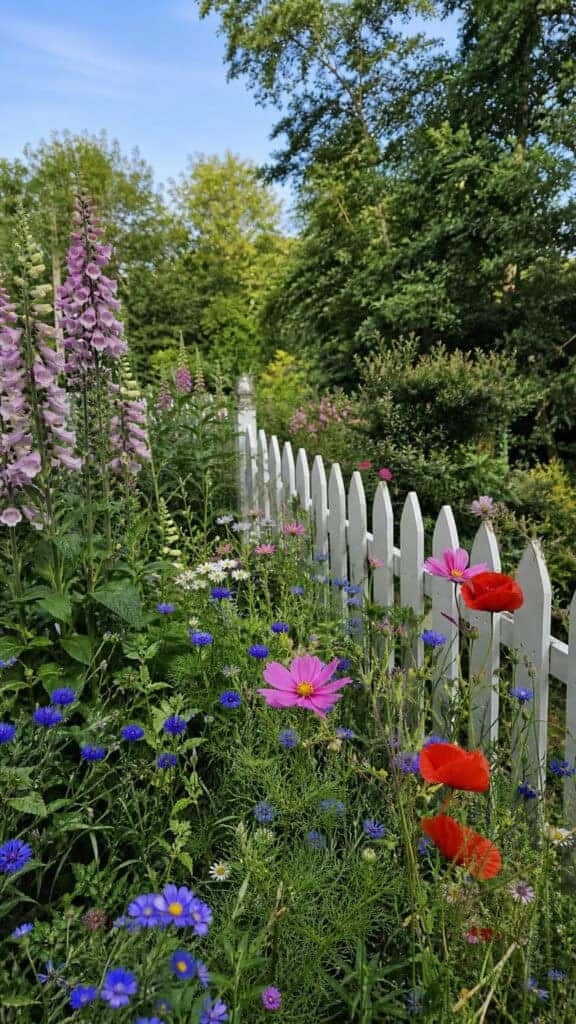

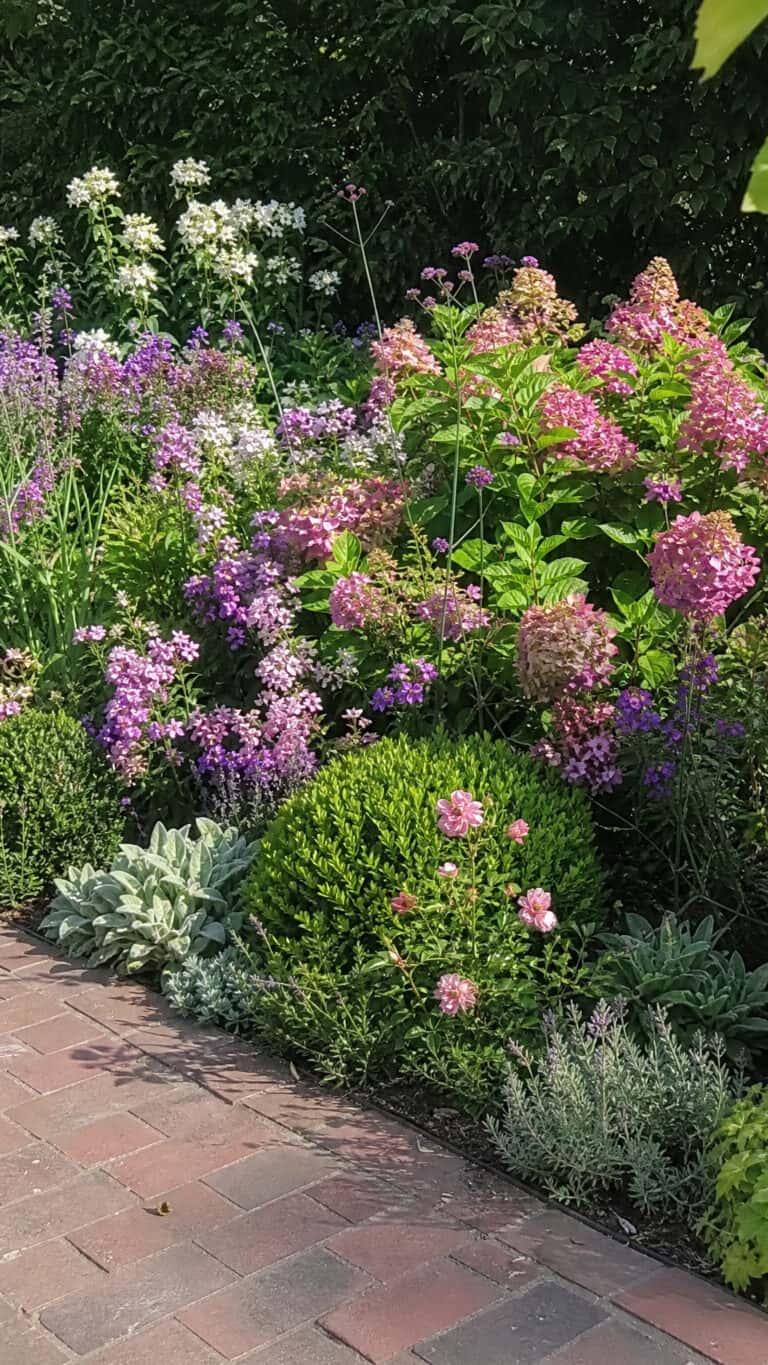
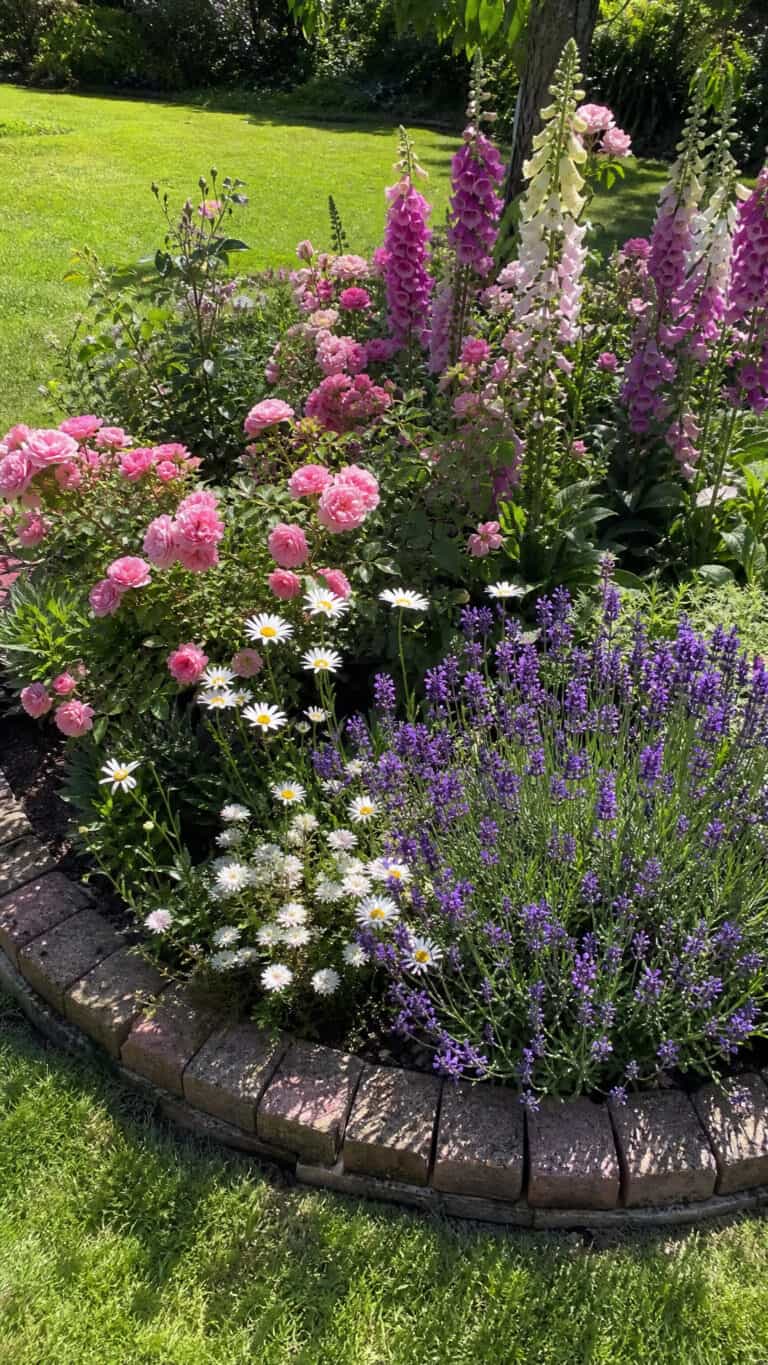
This Wild Flower Bed style is my absolute favorite because it combines structure with that beautiful wild look! You create a defined border along your fence, walkway, or garden edge and fill it with a mix of traditional cottage garden wild flowers. Think cornflowers, poppies, cosmos, and foxgloves all mingling together in the most charming way!
The key to making this work is choosing flowers with different heights so you get that layered, abundant look. I planted tall delphiniums and foxgloves at the back, medium-height cosmos and bachelor’s buttons in the middle, and let low-growing California poppies spill forward. The result is absolutely stunning and looks like something out of an English countryside!
What I love most about this approach is that it gives you the wild flower look while still maintaining some order in your garden. My husband really appreciates that it doesn’t look too messy, and I appreciate that the boys can easily see where the flower bed ends and the lawn begins when they’re playing soccer!
- Choose a sunny spot along an existing garden edge or pathway
- Mix seeds of varying heights for a natural layered effect
- Include perennials like foxgloves and delphiniums for returning blooms
- Add annuals like cosmos and poppies for continuous color all summer
- Edge with natural stone or let flowers naturally spill onto paths
The Meadow-Style Island Bed
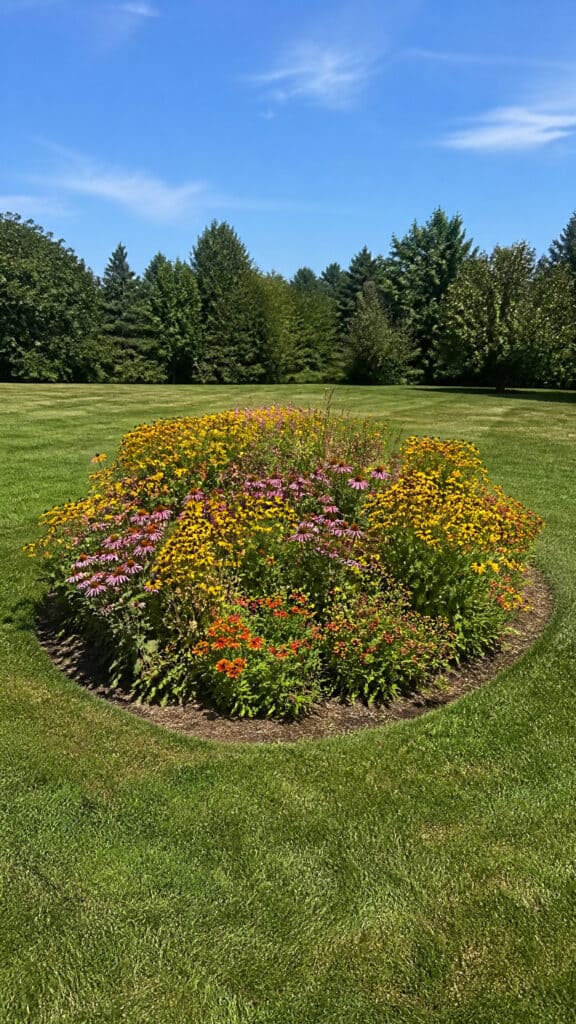
If you have a larger lawn area, creating an island Wild Flower Bed right in the middle is such a showstopper! This is basically a free-standing bed that you can walk around and admire from all angles. I carved out a kidney-shaped area in our side yard, and it’s become the most photographed spot in our whole garden!
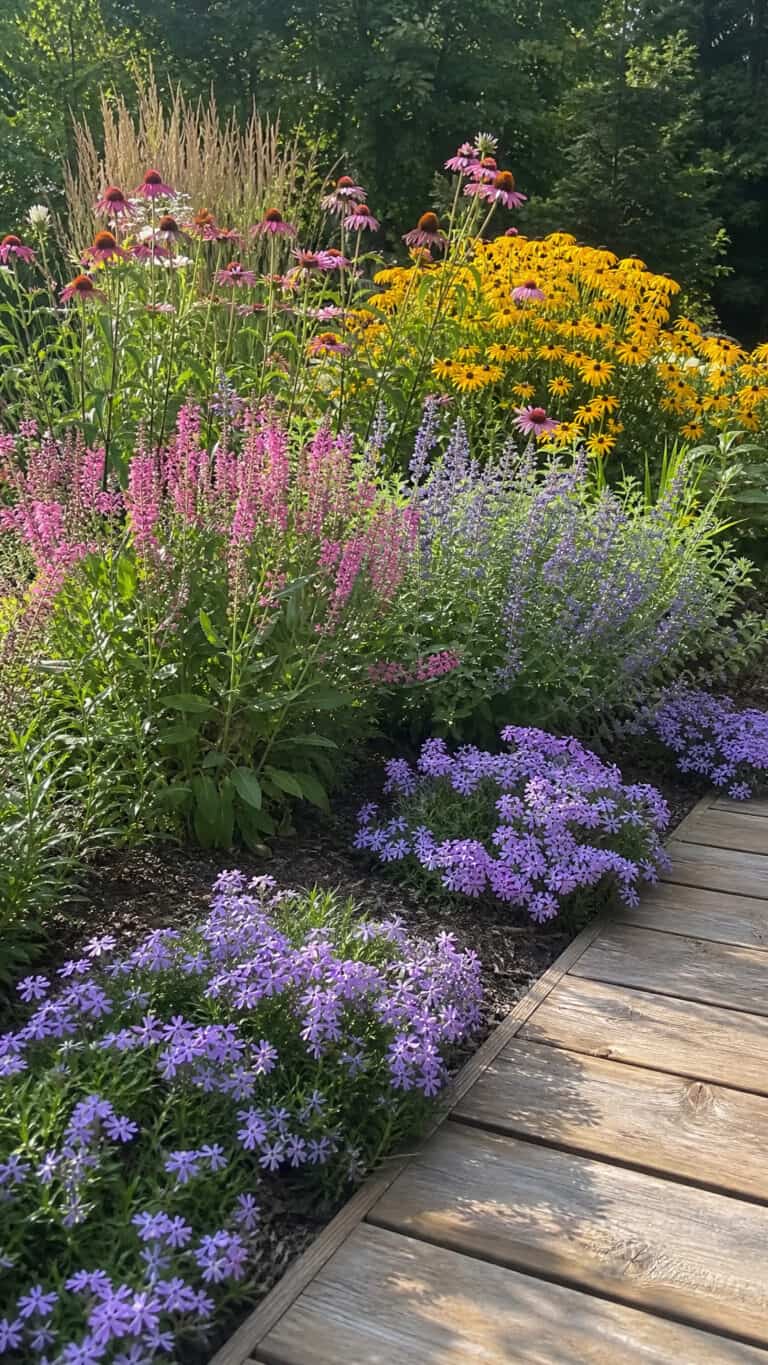
The beauty of an island bed is that you can see it from every direction, so you want to plant taller flowers in the center and let shorter ones radiate outward. I used black-eyed Susans and purple coneflowers as my centerpiece flowers, surrounded by blanket flowers and Mexican hat flowers, with sweet alyssum creating a soft edge all around.
This style really gives you that authentic meadow feeling! My middle son loves running circles around it pretending he’s exploring a jungle. The butterflies and bees absolutely adore this setup too, and we spend so much time just sitting on our patio watching all the activity. It’s like having our own little nature documentary right in the backyard!
- Mark out an organic, curved shape in your lawn
- Remove grass and prepare soil with compost
- Plant tallest flowers in the center working down to shortest at edges
- Use native wild flowers for best results and wildlife attraction
- Mow a neat edge around the bed to keep it looking intentional
The Hillside Cascade
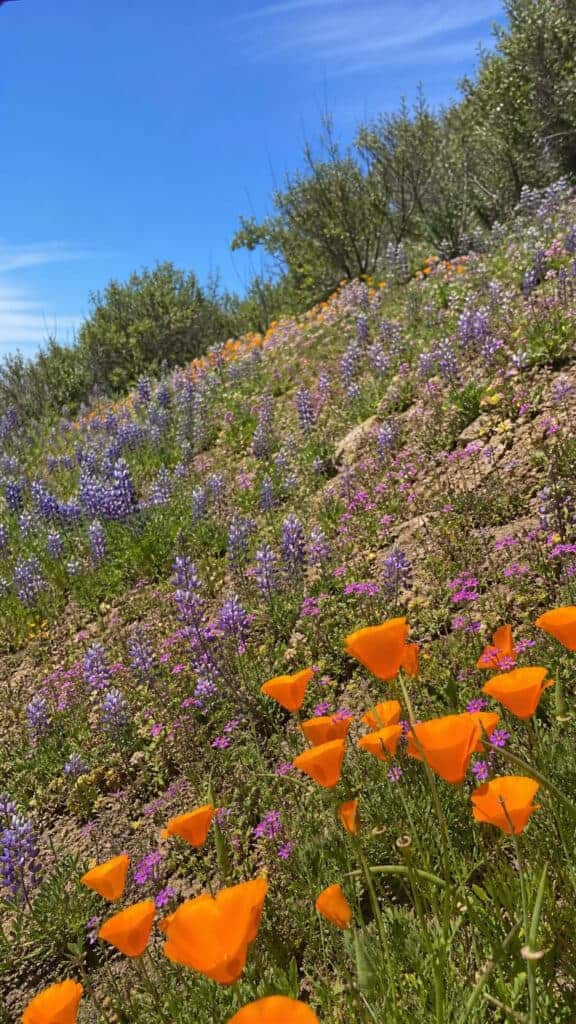
Do you have a slope in your yard that’s tricky to mow or just looks kind of boring? Turn it into a cascading Wild Flower Bed and watch the magic happen! Slopes are actually perfect for wild flowers because the drainage is excellent, and the flowers create this gorgeous waterfall effect as they tumble down the hill.
I learned this trick from my neighbor who transformed her challenging hillside into the most incredible display of California poppies, lupines, and wild geraniums. The colors literally flow down the slope like a river of blooms! It’s so much prettier than the patchy grass that used to struggle there, and she doesn’t have to risk mowing on that steep angle anymore.
The secret to success with hillside plantings is choosing flowers with good root systems that will help stabilize the soil while looking beautiful. Many wild flowers are perfect for this because they’re naturally adapted to challenging conditions. Plus, when it rains, the water naturally irrigates the whole slope, so you barely have to water once everything is established!
- Choose drought-tolerant wild flowers with strong root systems
- Plant in drifts that follow the natural contours of the slope
- Include lupines and poppies which are excellent for erosion control
- Add some ornamental grasses to help stabilize soil
- Mulch well after planting to prevent erosion while plants establish
The Parking Strip Paradise
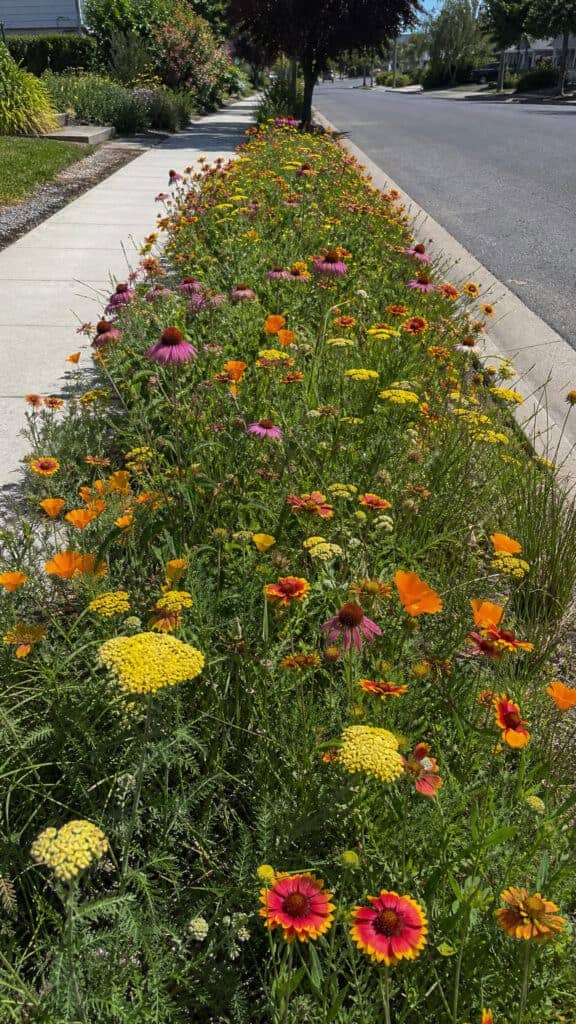
That narrow strip of land between the sidewalk and street is such wasted space in most neighborhoods, but it’s actually perfect for a Wild Flower Bed! I converted ours two years ago, and now people literally stop while walking by to take pictures and ask what I planted. It makes me so happy every time I come home!
This area is ideal for wild flowers because most of them are tough enough to handle the heat, reflected light from pavement, and occasional neglect that comes with street-side planting. I chose a mix of drought-tolerant varieties like yarrow, California poppies, purple coneflowers, and blanket flowers that can handle whatever weather throws at them.
The best part is that this Wild Flower Bed approach is catching on in our neighborhood! Three other families have now planted their parking strips with wild flowers too, and our whole street looks so cheerful and welcoming. My youngest loves pointing out all the different butterflies we see there, and it’s become a fun way to learn about pollinators together!
- Check local regulations about parking strip plantings
- Choose low-maintenance, drought-tolerant wild flower varieties
- Keep flowers relatively low so they don’t block driver visibility
- Use flowers that can tolerate road salt if you live in snowy climates
- Create a simple walking path if the strip is wide enough
The Circular Focal Point
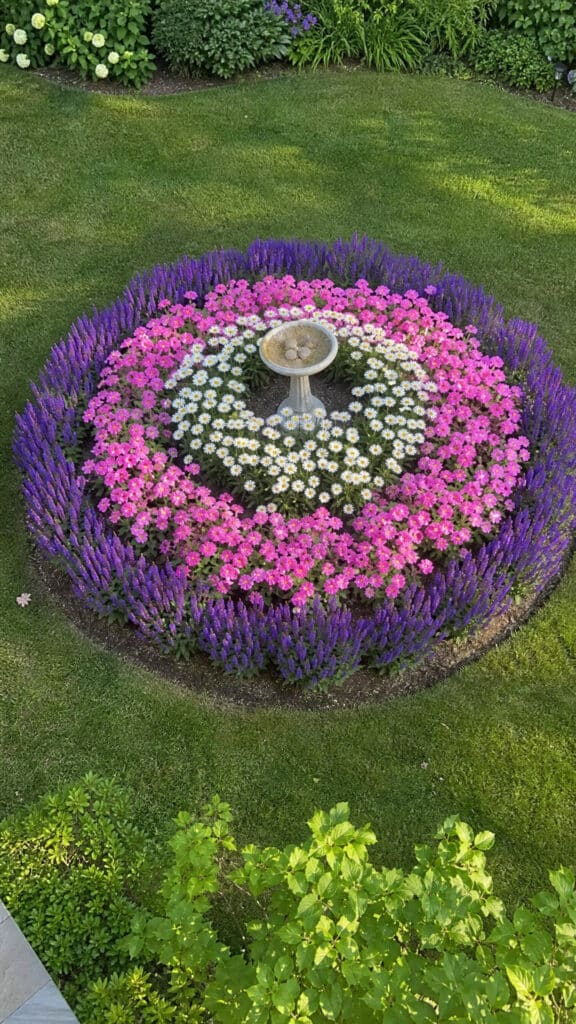
Creating a circular Wild Flower Bed as a centerpiece in your yard is such a stunning design choice! This works beautifully at the end of a pathway, in the center of a circular driveway, or as a focal point visible from your main windows. The round shape feels so intentional and artistic while still maintaining that natural wild flower look!
I helped my sister create one of these in her front yard around an existing birdbath, and it turned out absolutely gorgeous! We planted concentric circles of different colored wild flowers – purple salvia in the innermost ring, pink cosmos in the middle, and white daisies on the outer edge. The symmetry is so pleasing to look at, but the flowers themselves still have that relaxed, natural growth pattern.
What’s really fun about circular beds is that you can play with color patterns and create really striking designs! You could do a rainbow effect with different colored sections, or go monochromatic with all shades of one color family. My boys think the circular bed looks like a giant flower pizza, which honestly makes me smile every time I look at it now!
- Mark out a perfect circle using a stake and string as a compass
- Consider placing a focal point like a sundial or birdbath in the center
- Plant in rings of color or mix throughout for a natural look
- Keep the diameter manageable so you can reach the center for maintenance
- Edge with brick or stone to emphasize the circular shape
The Butterfly Highway
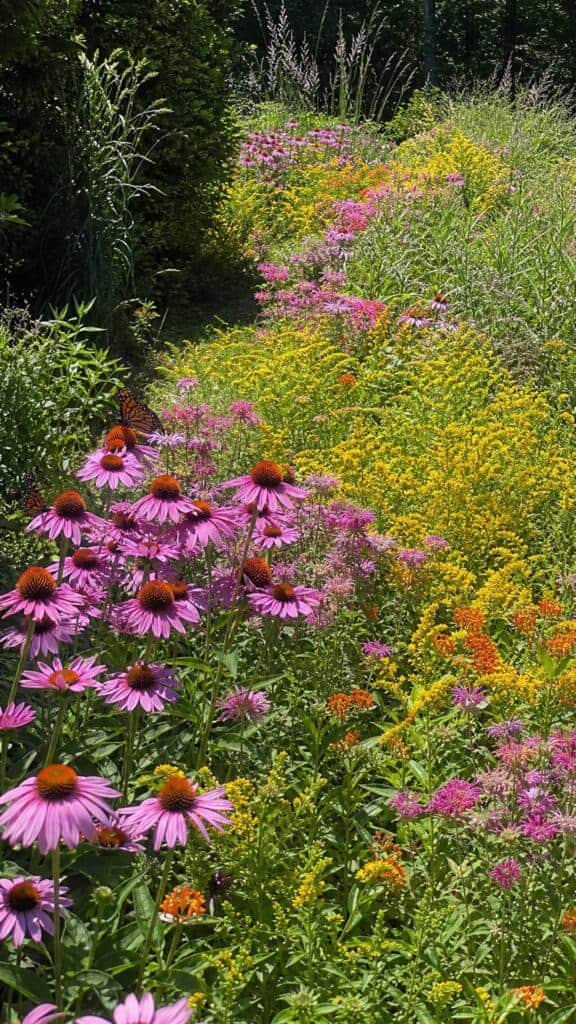
This Wild Flower Bed concept is all about creating a long, winding path of wild flowers that guides butterflies and other pollinators through your entire garden! Instead of one big bed, you create a series of connected flower areas that form a flowing ribbon through your landscape. It’s like rolling out a welcome mat for all the beneficial insects!
I implemented this in our backyard by planting wild flower clusters near our vegetable garden, connecting to a strip along the fence, which then curves around to a patch near our patio. The result is that we see butterflies everywhere now! My boys have named some of the regular visitors, and we keep a butterfly identification chart by the back door so we can look up the different species we spot.
The key to making a butterfly highway work is choosing flowers that bloom at different times throughout the season so there’s always something flowering. I included early bloomers like lupines and columbines, mid-season favorites like coneflowers and bee balm, and late bloomers like asters and goldenrod. This ensures our butterfly friends have food sources from spring through fall!
- Plant native wild flowers that are known butterfly attractors
- Create a continuous path of blooms connecting different garden areas
- Include host plants where butterflies can lay eggs
- Provide water sources like shallow dishes with pebbles
- Avoid pesticides completely to protect pollinators
The Shady Wild Garden
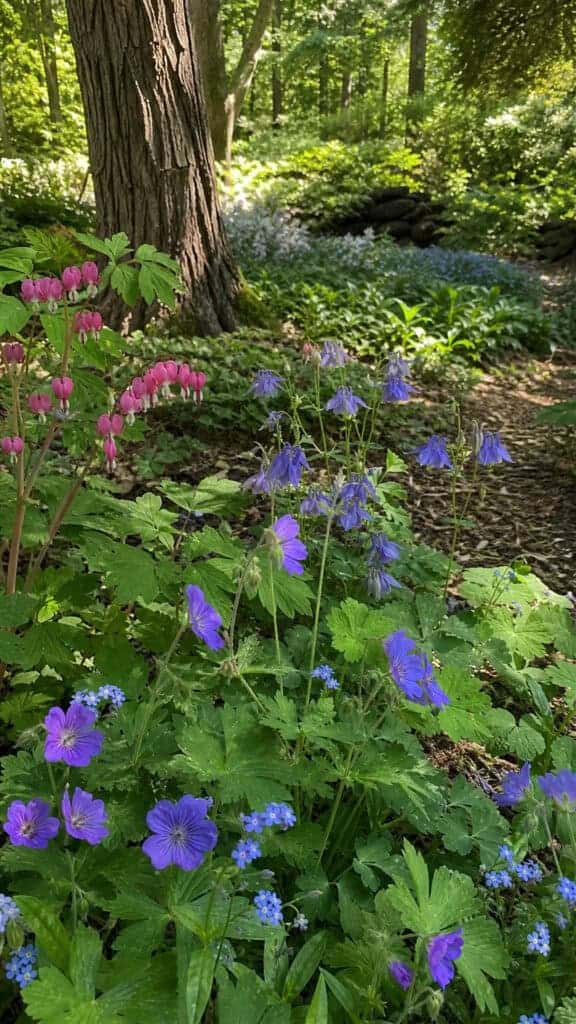
Who says you need full sun for a Wild Flower Bed? If you have a shady spot under trees or along the north side of your house, you can absolutely create a gorgeous wild flower display with shade-loving varieties! This was a game-changer for me because we have several large oak trees that create quite a bit of shade in our backyard.
Shade wild flowers have such a different, more delicate beauty compared to their sun-loving cousins! I planted woodland favorites like columbines, bleeding hearts, wild geraniums, and forget-me-nots under our trees, and the effect is so magical and peaceful. It’s like having a secret fairy garden that the boys love exploring!
The wonderful thing about shade wild flowers is that they tend to need less water since they’re not in direct sun all day. They also stay looking fresh longer during hot summer days. I’ve created little winding paths through our shady Wild Flower Bed using wood chips, and it’s become our favorite spot to read books together on warm afternoons!
- Choose wild flowers native to woodland environments
- Include spring ephemerals that bloom before trees leaf out
- Add ferns and hostas for foliage interest between blooms
- Use light-colored flowers to brighten shady areas
- Mulch with leaf mold or wood chips to retain moisture
The Container Wild Garden
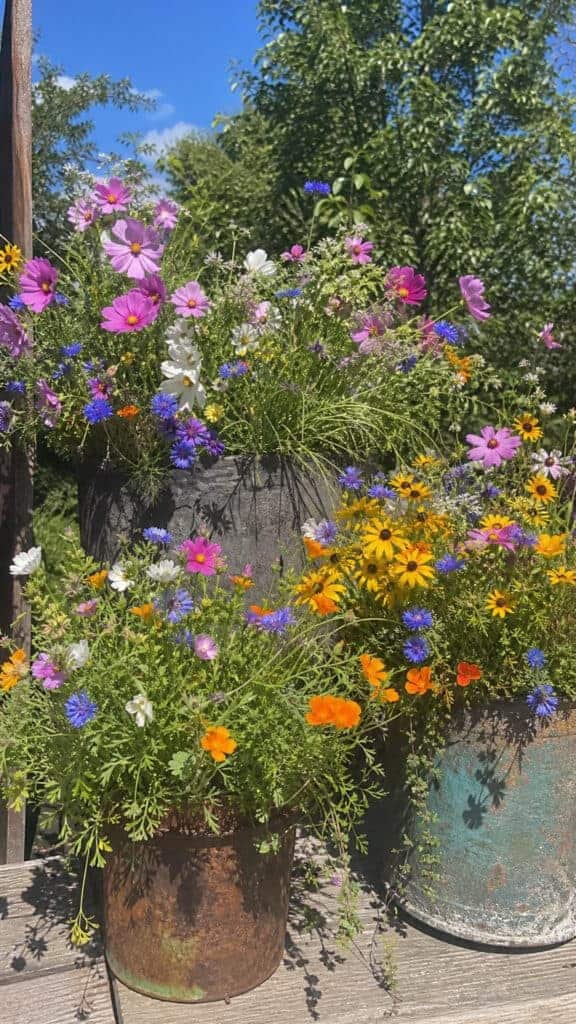
Don’t have any in-ground space? No problem! You can create an absolutely charming Wild Flower Bed using containers on your patio, deck, or balcony! This is perfect for renters or anyone who wants the flexibility to rearrange their garden. I have several large containers near our back door filled with wild flowers, and they bring so much joy every time we go outside!
The trick to making container wild flowers look natural rather than overly formal is choosing the right pot size and mixing your flowers well. I use large, shallow containers that mimic the spreading nature of a meadow rather than tall, narrow pots. Then I plant a generous mix of wild flower seeds just like I would in the ground, letting them grow together naturally.
What I love about container Wild Flower Beds is that I can move them around to follow the sun or create different arrangements for parties! My boys helped me paint some of our containers in bright colors, which adds even more cheerfulness to the display. Plus, having flowers right on the patio means we can enjoy them up close while eating dinner outside!
- Choose large, wide containers with good drainage
- Use quality potting soil mixed with compost
- Select compact wild flower varieties suited to container growing
- Group multiple containers together for bigger impact
- Water more frequently than in-ground beds since containers dry out faster
The Four-Season Wild Bed
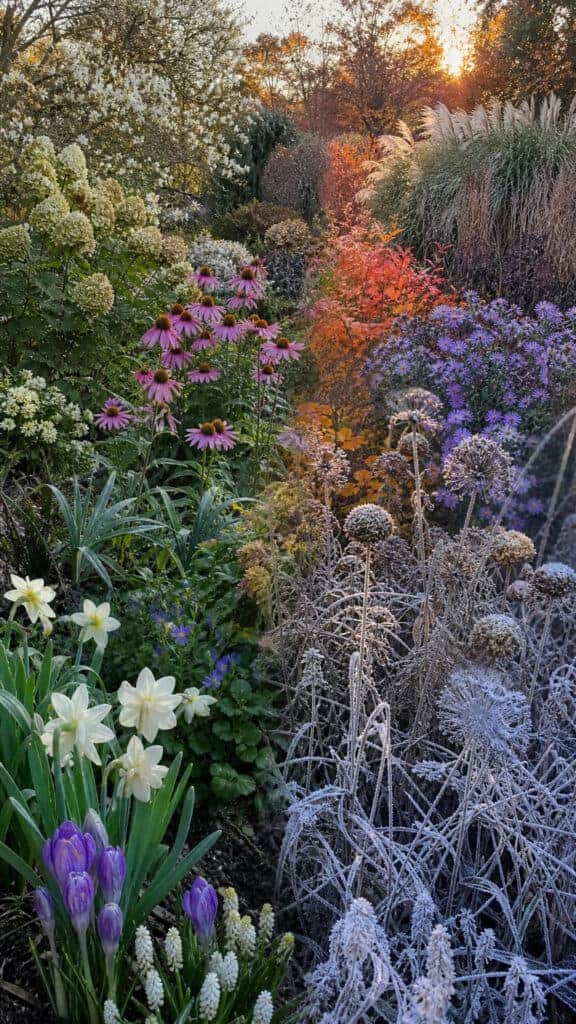
The ultimate Wild Flower Bed is one that looks beautiful all year long! This requires more planning, but the payoff is so worth it because you always have something blooming or interesting to look at. I’ve been working on perfecting this approach in our front yard, and even in winter there’s visual interest from seed heads and dried flower stalks!
The secret is choosing a mix of wild flowers, ornamental grasses, and even some evergreen plants that provide structure through winter. I start with spring bulbs like species tulips and daffodils mixed with early wild flowers, transition to summer bloomers like coneflowers and black-eyed Susans, include fall stars like asters and goldenrod, and let ornamental grasses and seed heads provide winter beauty.
This approach has taught my boys so much about the changing seasons and the natural cycle of plant life! We leave the seed heads up through winter to feed birds, and the kids love watching cardinals and finches perch on the dried coneflower stems. Then in early spring, we clean up the old growth together just as the first new shoots emerge, and the whole cycle begins again!
- Plan for bloom succession from early spring through late fall
- Include ornamental grasses for winter structure and movement
- Leave seed heads standing through winter for wildlife food
- Add spring bulbs that naturalize for early season color
- Choose some evergreen plants as backbone structure
Bringing Wild Beauty Home
Creating a Wild Flower Bed in your garden is honestly one of the most rewarding projects you can tackle as a busy mom! It gives you that gorgeous, natural look without requiring hours of maintenance every week. Plus, watching your kids discover butterflies, learn about different flowers, and see the magic of nature up close is absolutely priceless. Every single one of these ideas can be adapted to your specific space and style!
Start small if you’re feeling overwhelmed – even a tiny Wild Flower Bed will bring you so much joy and beauty! I began with just one small corner bed, and now wild flowers have taken over multiple areas of our yard because I love them so much. Your garden will become a haven for wildlife, a learning space for your children, and a peaceful retreat for you. Trust me, once you see those first wild flowers blooming, you’ll be absolutely hooked!