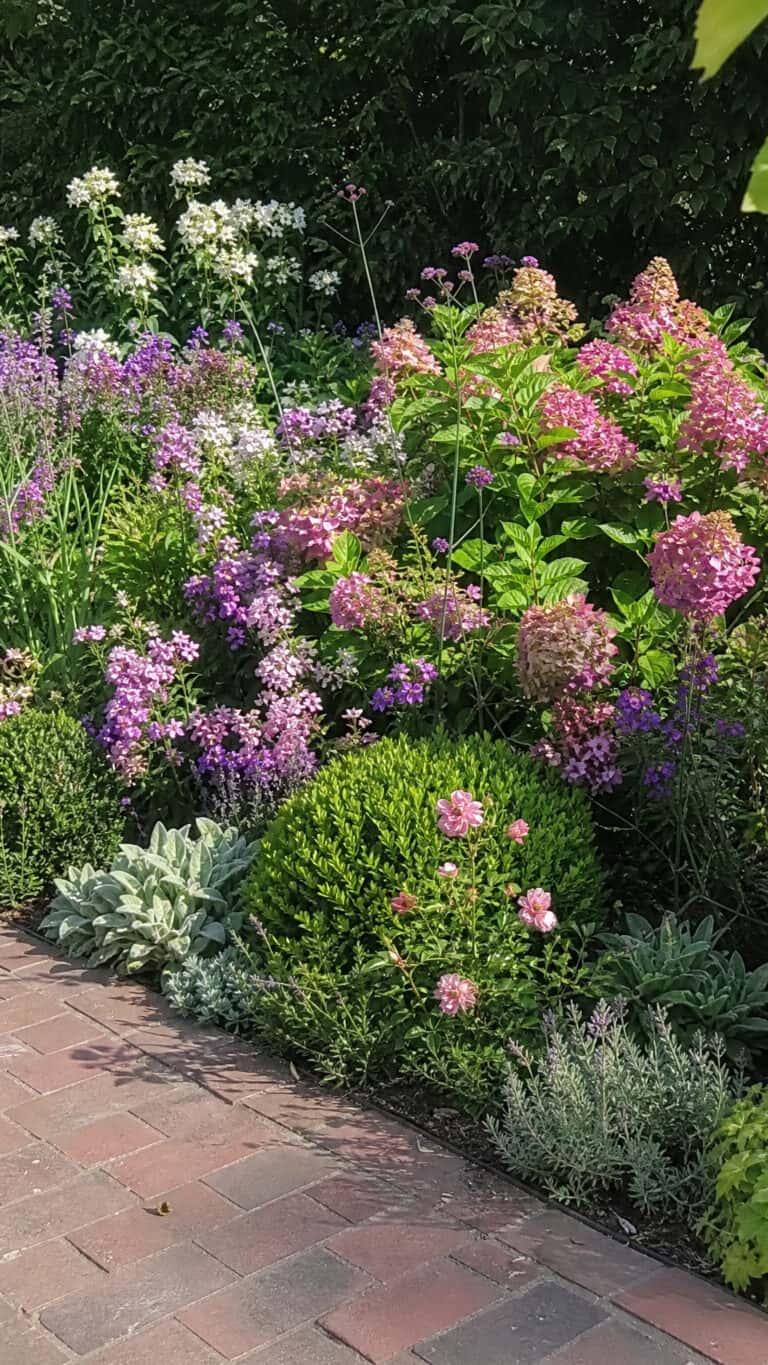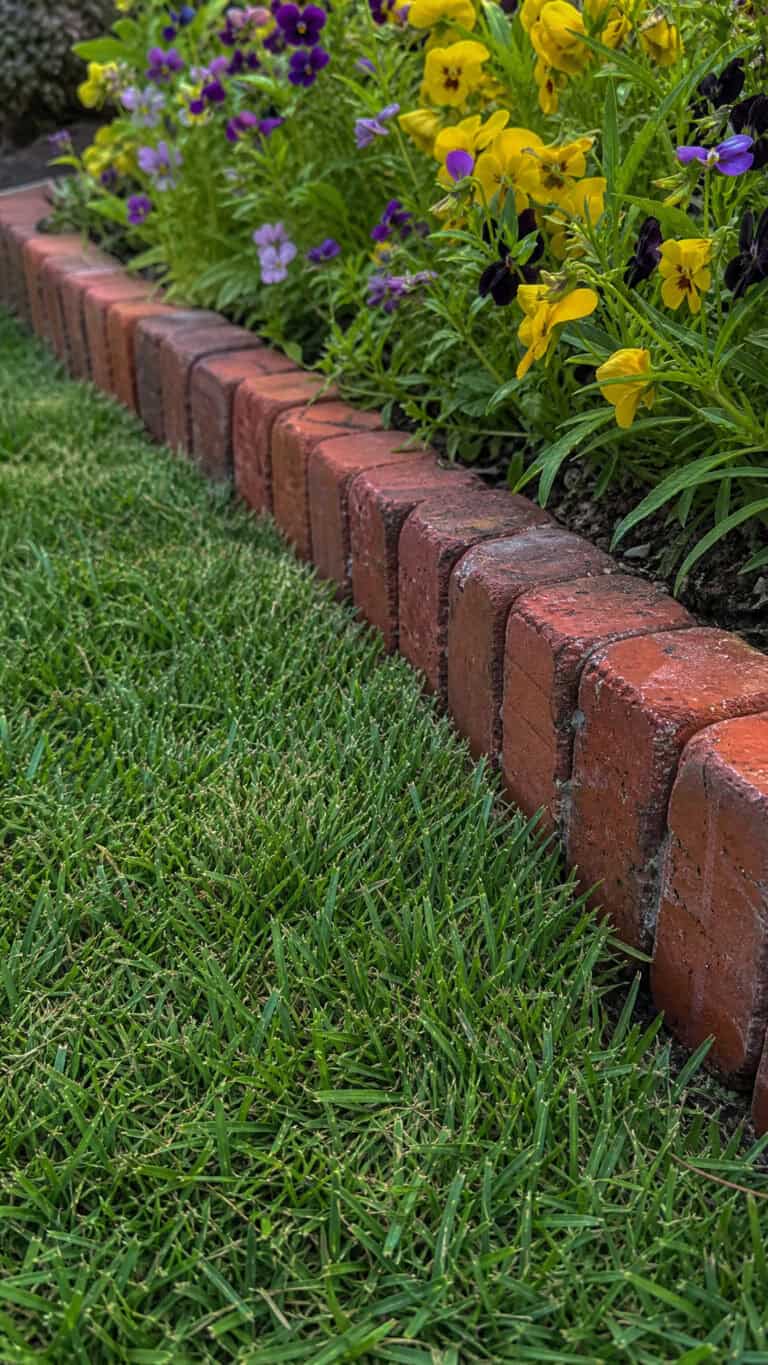
This post may contain affiliate links. Read the full disclosure here.
There’s something magical about stepping outside and seeing a beautifully designed flower bed bursting with color and life! As a mom of three energetic boys, I’ve learned that creating an outdoor space that’s both gorgeous and manageable is totally possible, even when you’re juggling snack requests and referee duties all day long.
Whether you’re starting from scratch or giving your existing garden a much-needed refresh, the right garden flower bed ideas can completely transform your yard into a peaceful retreat. Let’s dive into some fantastic designs that’ll make your neighbors wonder if you hired a professional landscaper (spoiler alert: you didn’t!).
Raised Bed Gardens for Easy Maintenance
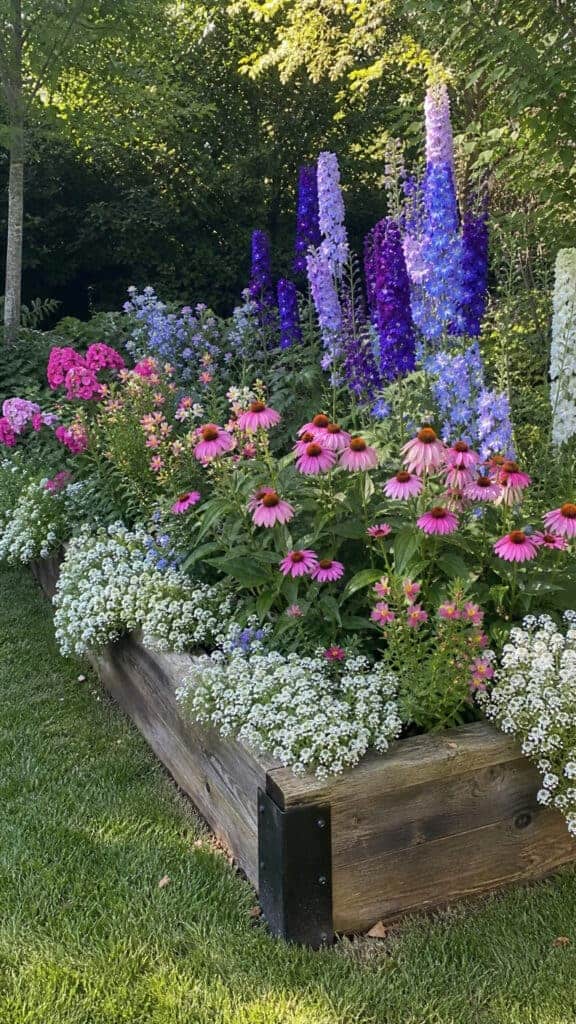

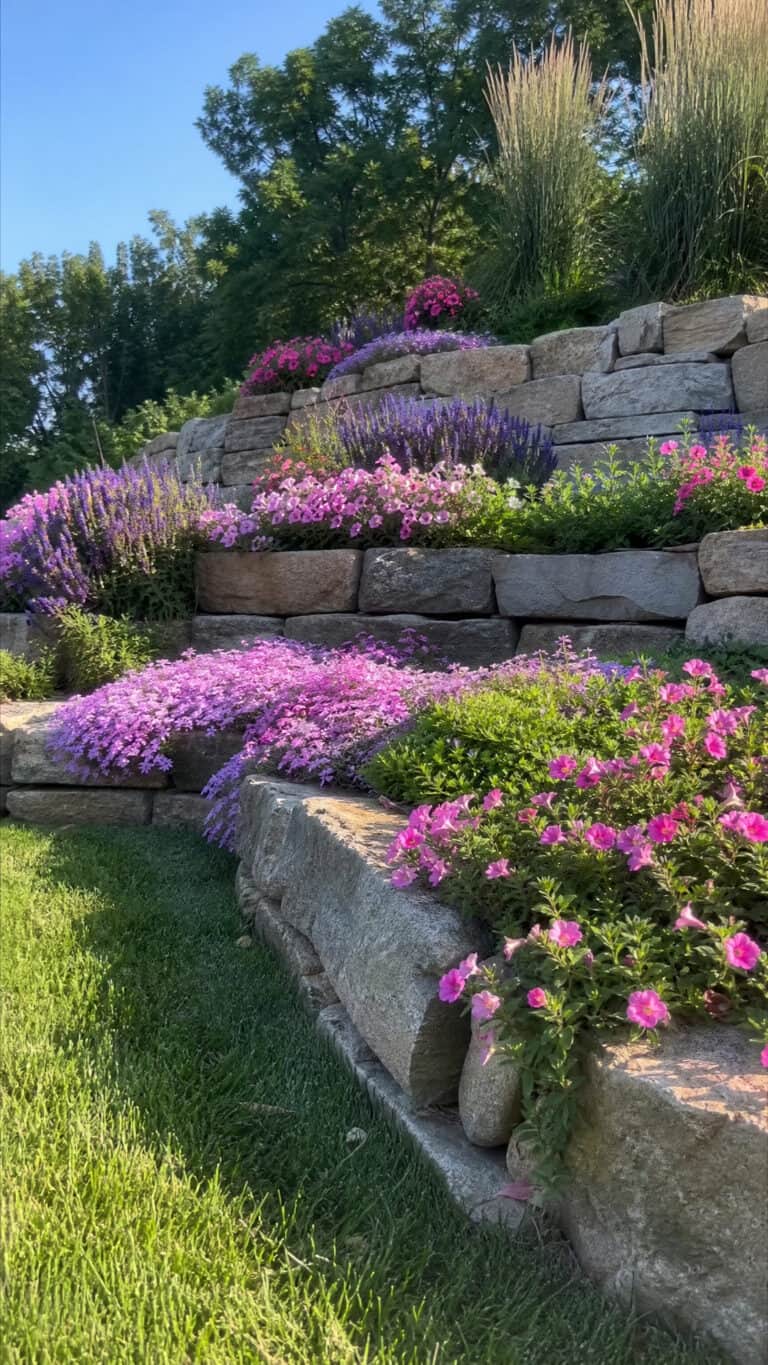
Raised flower beds have become my absolute favorite solution for creating a stunning garden without all the back-breaking work! These elevated beauties not only look incredibly polished and intentional, but they also make gardening so much easier when you’re constantly bending down to pick up toy trucks and soccer balls.
You can build raised beds using cedar wood, composite materials, or even stone blocks depending on your budget and aesthetic preferences. I love how they create defined spaces in the yard and keep the flowers separate from the chaos of the play area! The best part is that you have complete control over the soil quality, which means healthier plants and more vibrant blooms.
Benefits of raised flower beds include:
- Better drainage for healthier root systems
- Fewer weeds to pull (hallelujah!)
- Easier access for planting and maintenance
- Protection from curious little feet trampling your precious petals
- Extended growing season with warmer soil temperatures
For a cohesive look, consider creating multiple raised beds in varying sizes throughout your yard. Plant taller flowers like delphiniums and hollyhocks in the back, with medium-height blooms like coneflowers in the middle, and low-growing varieties like alyssum spilling over the edges. This layered approach creates incredible visual interest and makes your garden look professionally designed!
Cottage Garden Style with Mixed Blooms
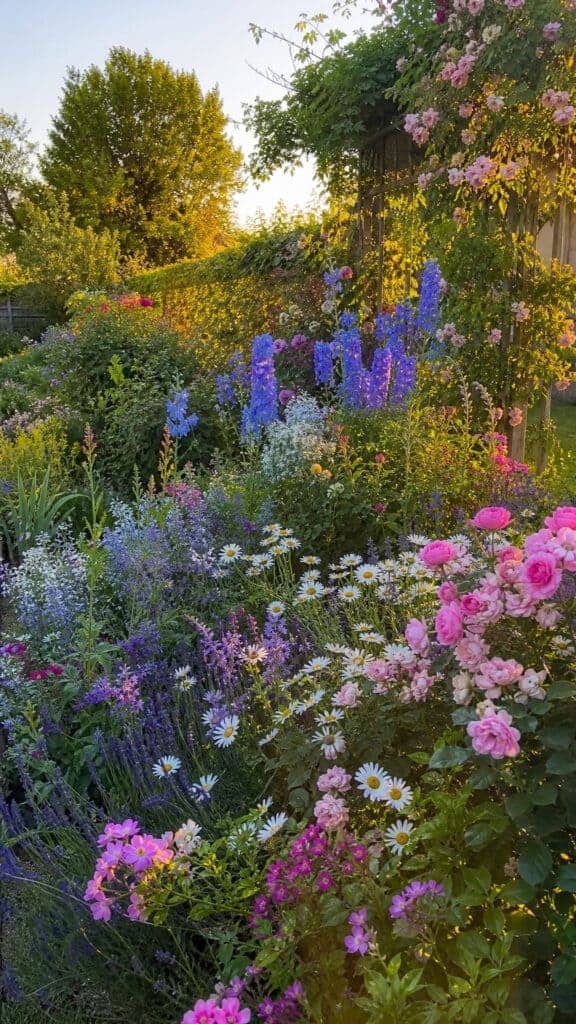
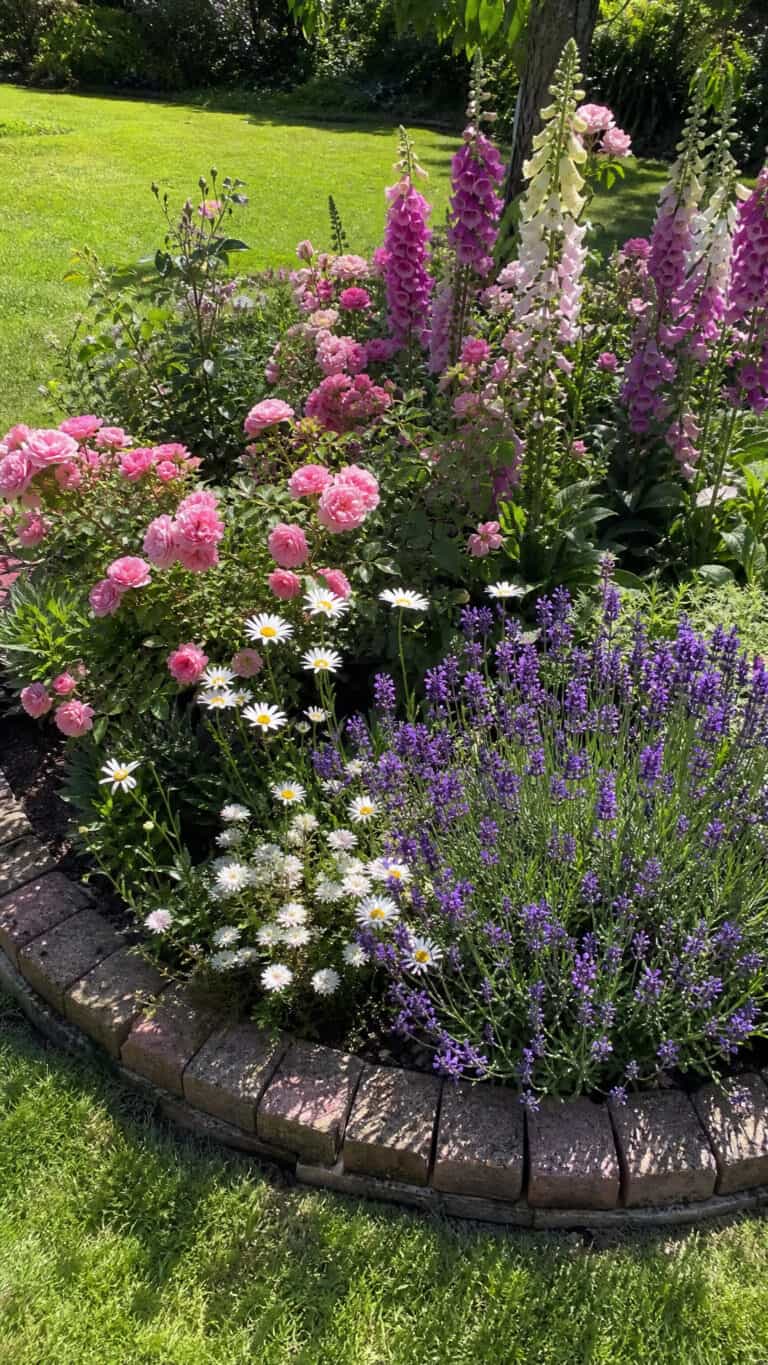
If you love that romantic, slightly wild garden look, cottage-style flower beds are absolutely dreamy! This approach embraces abundance and variety, mixing different flower types, colors, and heights for a lush, overflowing effect that feels like something straight out of a storybook.
The beauty of cottage gardens is that they actually look better when they’re a little unruly, which works perfectly for busy moms who don’t have hours to spend on precise garden maintenance! I’ve found that this style is incredibly forgiving and actually thrives on a more relaxed approach to gardening.
Start by selecting a mix of perennials that’ll come back year after year, like roses, lavender, catmint, and salvia. Then add some annuals for pops of seasonal color—zinnias, cosmos, and sweet peas are fantastic choices! Don’t forget to include some self-seeding flowers like foxgloves and forget-me-nots that’ll naturally spread and fill in gaps over time.
Essential elements for cottage garden flower beds:
- Dense plantings with flowers touching and overlapping
- A mix of flower shapes, sizes, and bloom times
- Pastel and jewel-tone color combinations
- Fragrant varieties like roses, peonies, and sweet peas
- Informal, curved bed edges rather than straight lines
- Climbing plants on trellises or arbors for vertical interest
The cottage garden approach is perfect for creating those Instagram-worthy flower beds that look effortlessly beautiful. Plus, the variety of blooms means you’ll have gorgeous bouquets to bring inside all season long!
Border Flower Beds Along Pathways and Fences
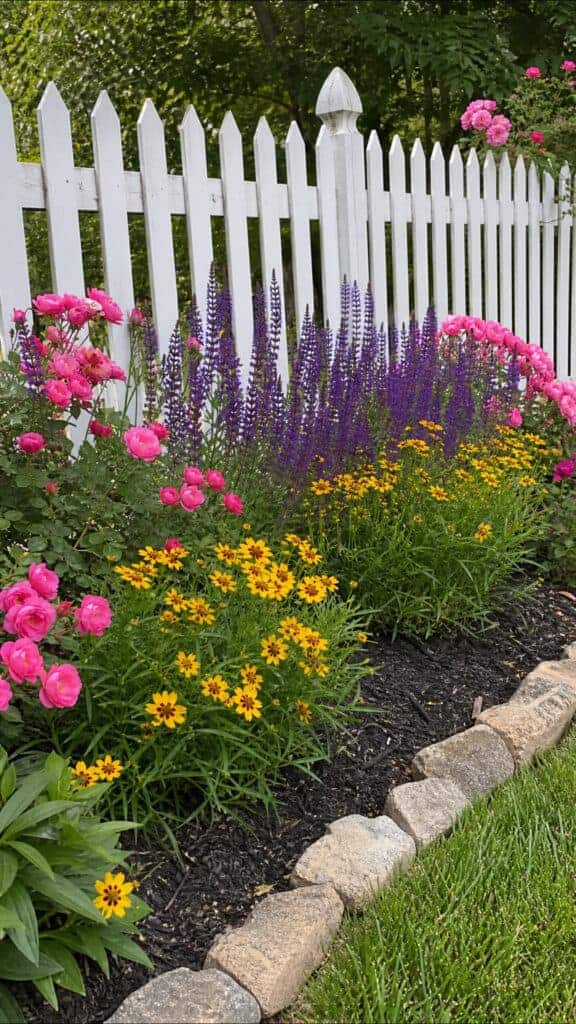
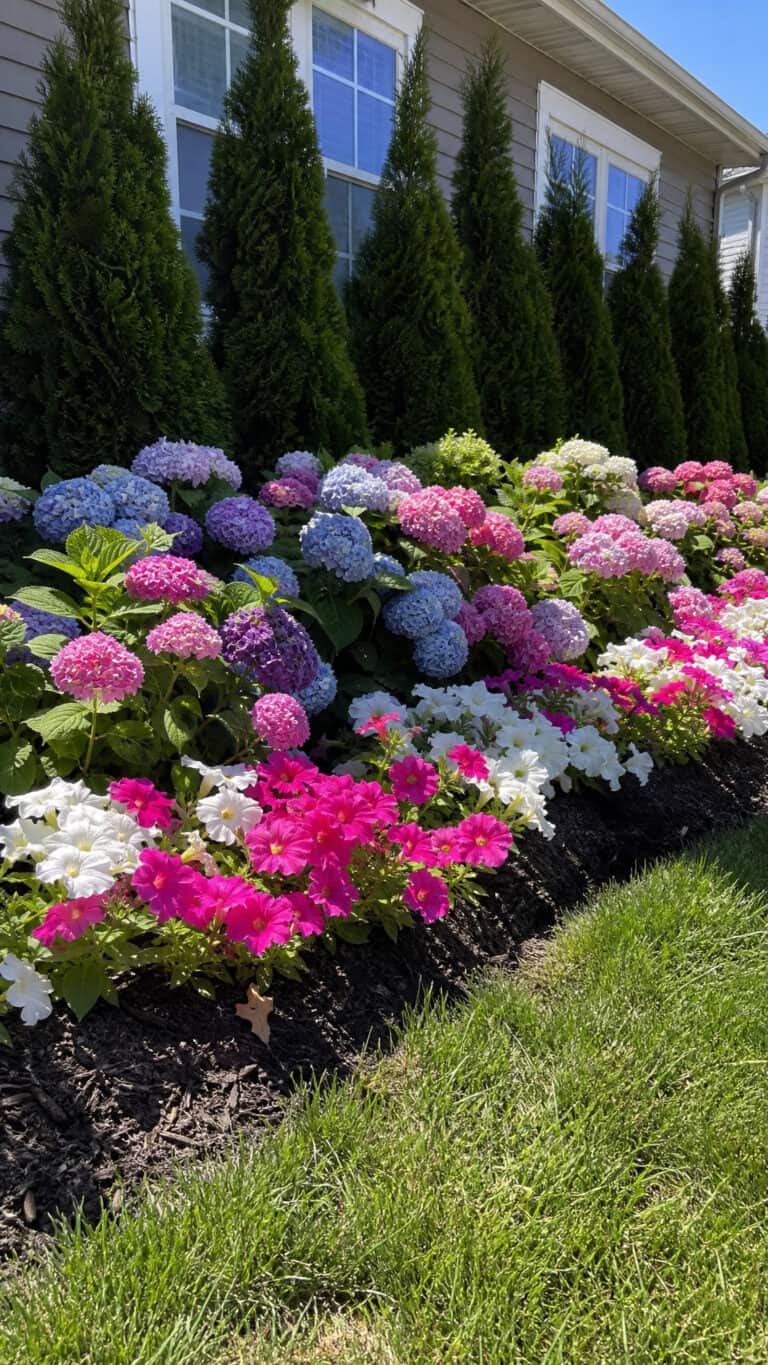
Creating flower beds along existing structures like pathways, driveways, or fences is such a smart way to add instant curb appeal without taking up valuable play space in your yard! These border gardens frame your outdoor areas beautifully and make everything look so much more intentional and polished.
I absolutely love how border beds can guide visitors through your yard while softening hard edges from concrete or wooden fences. They’re also perfect for those awkward narrow spaces where you’re not quite sure what to do! A well-designed border can transform a boring fence line into a stunning focal point.
For pathway borders, choose low-growing plants that won’t obstruct the walkway or require constant trimming. Creeping phlox, candytuft, and sweet alyssum are perfect choices that’ll spill gently onto the path edges without becoming a tripping hazard for little running feet! For fence borders, you can go taller with flowers like hollyhocks, sunflowers, or climbing clematis that’ll add height and drama.
Tips for successful border flower beds:
- Keep the bed width proportional to the space—typically 2-4 feet wide works best
- Use edging materials like stone or metal to create clean lines
- Plant in odd-numbered groups (3, 5, 7) for a more natural look
- Choose a consistent color scheme for a cohesive appearance
- Include evergreen plants for year-round structure
- Add mulch to suppress weeds and retain moisture
One of my favorite garden flower bed ideas is to create a continuous border that wraps around multiple areas of the yard, using repetition of certain plants to tie everything together. This creates a sense of flow and makes your entire outdoor space feel connected and well-designed!
Island Beds for Standalone Garden Features
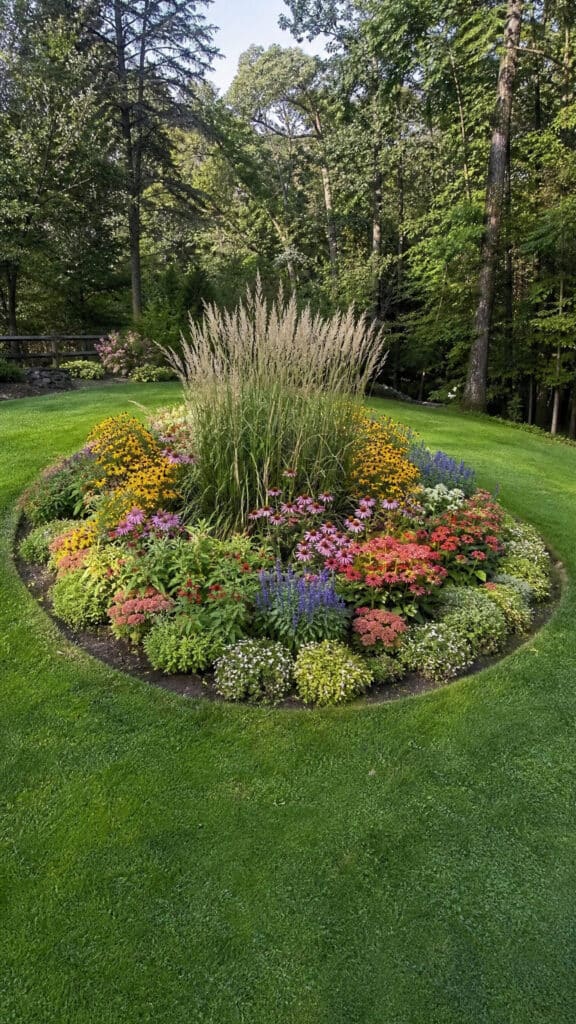
Island flower beds are those gorgeous standalone gardens that sit right in the middle of your lawn, creating stunning focal points that can be viewed from all angles! These are absolutely perfect for breaking up large expanses of grass and adding dimension to flat yards.
What I love most about island beds is their versatility—you can create them in any shape or size that works for your space! Kidney shapes, ovals, and free-form curves tend to look more natural and blend beautifully with the surrounding landscape. Just avoid perfect circles or squares unless you’re going for a very formal look.
The key to successful island beds is planning for 360-degree viewing. This means placing your tallest plants in the center and gradually decreasing height as you move toward the edges. Think of it like building a floral pyramid that looks gorgeous from every angle! I like to use ornamental grasses or tall perennials like Russian sage in the center, surrounded by medium-height flowers, with low groundcovers finishing the edges.
Best practices for island flower beds:
- Make them large enough to have visual impact—at least 4-6 feet wide
- Use a garden hose to outline the shape before digging
- Ensure easy mowing access around the entire perimeter
- Include plants with different bloom times for season-long interest
- Add a decorative element like a birdbath or garden sculpture as a centerpiece
- Mulch heavily to reduce maintenance and create a finished look
Island beds are fantastic conversation starters and really elevate your yard’s design! They’re also great for showcasing special plant collections or creating themed gardens like a butterfly garden or pollinator paradise.
Low-Maintenance Perennial Gardens
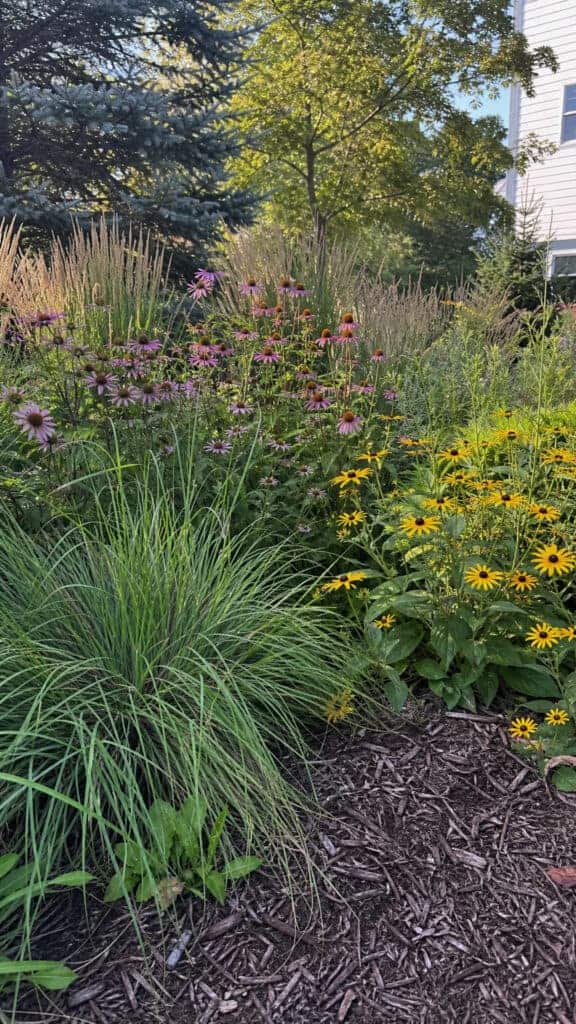
Let’s be real—as much as we’d love to spend hours tending our gardens, most days we’re lucky if we can water the plants between breaking up sibling arguments and making the seventeenth snack of the day! That’s why low-maintenance perennial gardens are an absolute lifesaver for busy moms.
Perennials come back year after year, which means you’re not replanting everything each spring. Once established, many perennials are incredibly drought-tolerant and require minimal care beyond occasional deadheading and an annual trim back. This is the kind of garden that looks amazing without demanding all your free time!
Some of my absolute favorite low-maintenance perennials include black-eyed Susans, sedum, coneflowers, daylilies, and hostas. These tough-as-nails plants can handle a little neglect and still put on a gorgeous show! I also love ornamental grasses like Karl Foerster grass and switchgrass that add movement and texture while requiring almost zero maintenance.
Creating a low-maintenance perennial flower bed:
- Choose native plants adapted to your climate and soil conditions
- Group plants with similar water and sun requirements together
- Apply a thick layer of mulch to suppress weeds and retain moisture
- Install drip irrigation or soaker hoses for efficient watering
- Select disease-resistant varieties to avoid treatment headaches
- Leave seed heads on plants through winter for wildlife and visual interest
- Divide perennials every few years to maintain vigor
One of the best garden flower bed ideas for busy families is to dedicate at least one area of your yard to these reliable perennials. You’ll have a beautiful garden that practically takes care of itself, giving you more time to actually enjoy your outdoor space instead of constantly working in it!
Colorful Annual Flower Displays
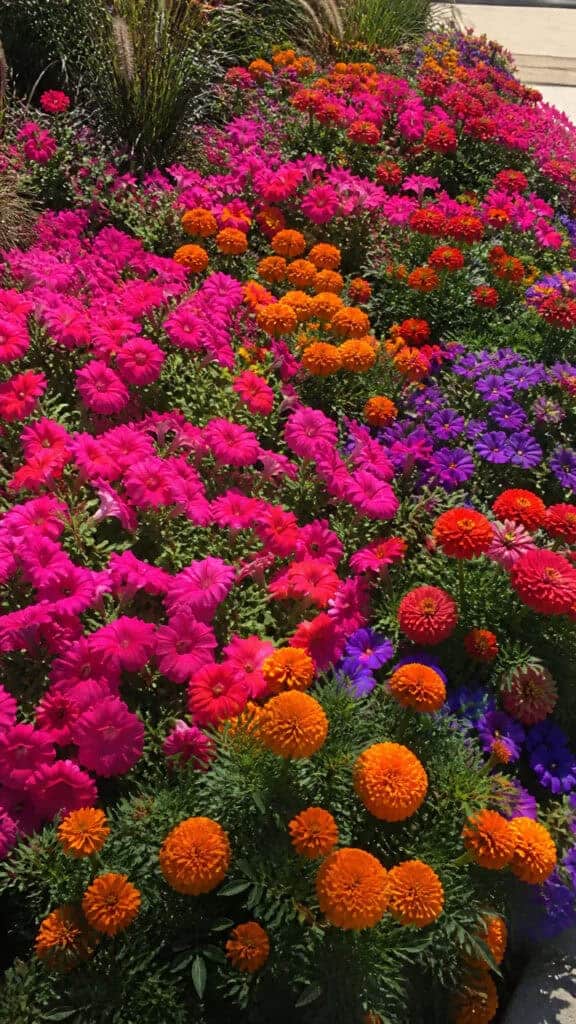
While perennials are the backbone of a great garden, annuals are where you can really have fun and experiment with bold colors and combinations! Annual flowers bloom continuously throughout the growing season, providing non-stop color from spring until the first frost.
I love using annuals to fill in gaps in my perennial beds or to create dedicated annual displays that I can change up each year. It’s like redecorating your outdoor space seasonally! One year you might go with a hot color scheme of reds, oranges, and yellows, and the next year you could try a cool palette of purples, blues, and whites.
Some of my go-to annual flowers include petunias, marigolds, zinnias, impatiens, and begonias. These workhorses bloom their hearts out all season long with just regular watering and occasional deadheading. For a really stunning display, plant annuals in mass groupings rather than scattering single plants throughout the bed—the impact is so much more dramatic!
Tips for spectacular annual flower beds:
- Choose a color theme and stick with it for a cohesive look
- Mix flower forms—spikes, rounds, and cascading varieties
- Include foliage plants like coleus or sweet potato vine for texture
- Fertilize regularly since annuals are heavy feeders
- Deadhead spent blooms to encourage continuous flowering
- Plant in waves for succession blooming throughout the season
Annual flower beds are perfect for those areas where you want guaranteed color all summer long, like around your patio or near the front entrance. They’re also wonderful for container gardens that you can move around to change up your outdoor decor!
Shade Garden Flower Beds
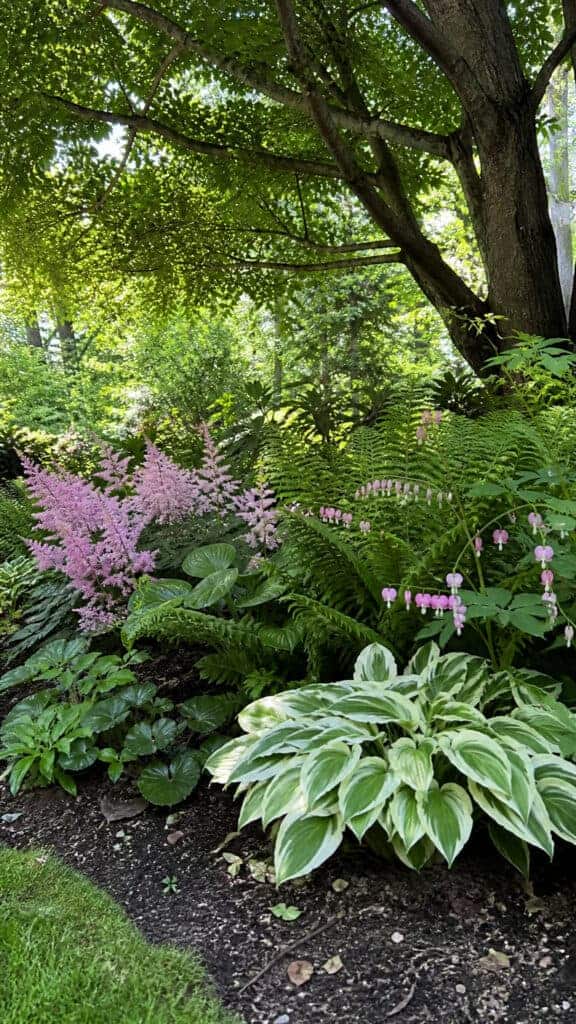
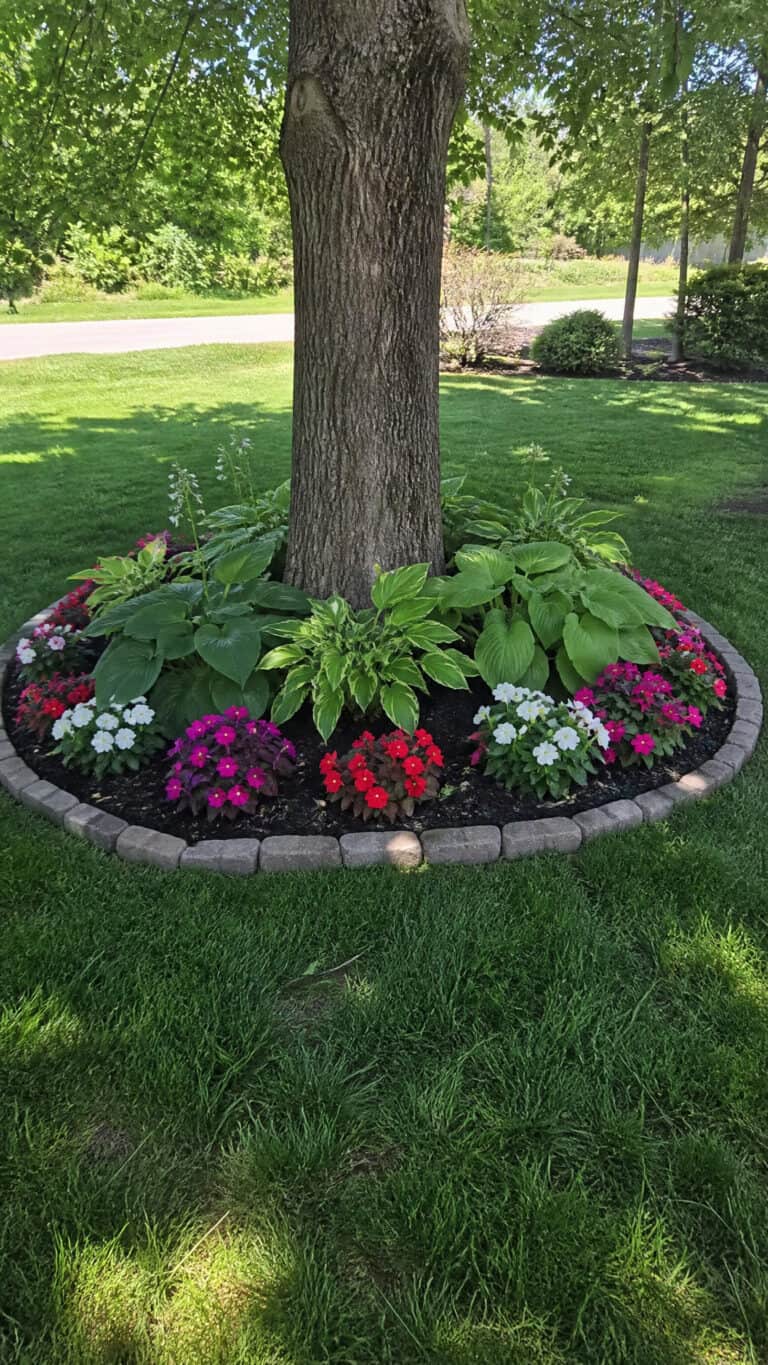
Not every area of your yard gets full sun, and that’s totally okay! Shade gardens have their own special charm and can be just as beautiful as their sunny counterparts. In fact, I’ve come to really appreciate the cooler, more peaceful feeling of shade gardens—they’re like the calm, quiet corner of your outdoor space!
The trick to successful shade gardening is choosing plants that actually thrive in lower light conditions rather than trying to force sun-lovers into shady spots. Trust me, I learned this the hard way! Once you embrace shade-loving plants, you’ll discover a whole world of gorgeous options with interesting foliage textures and subtle blooms.
Hostas are the queens of the shade garden, offering incredible variety in leaf colors, patterns, and sizes. Combine them with astilbes for feathery plumes of color, bleeding hearts for delicate heart-shaped flowers, and ferns for lush texture. Don’t forget shade-loving annuals like impatiens, begonias, and coleus that’ll add pops of color throughout the season!
Creating beautiful shade garden flower beds:
- Assess your shade level—dappled, partial, or full shade
- Focus on foliage color and texture for visual interest
- Add white or light-colored flowers to brighten dark areas
- Incorporate variegated plants to add dimension
- Use ground covers like lamium or ajuga to fill spaces
- Amend soil with compost since shade areas often have poor soil
- Add garden art or lighting to create focal points
Shade gardens are perfect for those tricky spots under trees or along the north side of your house. With the right plant selections, these challenging areas can become some of the most beautiful and serene parts of your yard!
Creating Your Dream Garden Space
Transforming your outdoor space with beautiful flower beds doesn’t have to be overwhelming or time-consuming! Whether you choose raised beds for easy maintenance, cottage garden abundance, or low-maintenance perennials, the right garden flower bed ideas can make your yard feel like a personal paradise. The key is choosing designs that fit your lifestyle, climate, and the amount of time you realistically have for garden care.
Remember, gardens are never truly finished—they’re always evolving and growing, just like our families! Start with one or two beds that excite you most, and expand from there as time and budget allow. Before you know it, you’ll have created an outdoor space that’s not only beautiful but also provides a peaceful retreat where you can catch your breath between all those mom duties. Now grab those gardening gloves and let’s make your yard amazing!