This post may contain affiliate links. Read the full disclosure here.
Creating a beautiful garden space that doesn’t require constant maintenance is basically the dream when you’re juggling three energetic boys, am I right? A circle flower bed is one of those genius landscaping features that looks absolutely stunning but doesn’t have to eat up all your precious free time! These rounded garden beds create natural focal points in your yard and give you that polished, professional look without the professional price tag.
Whether you’re working with a tiny corner of your yard or have a sprawling lawn to fill, circular flower beds offer endless possibilities for creativity and style! They’re perfect for framing trees, creating island beds in the middle of your grass, or even replacing those tricky-to-mow spots where the kids have worn down the lawn with their constant running around. Let’s dive into ten amazing ideas that’ll transform your outdoor space into something truly special!
Classic Cottage Garden Circle
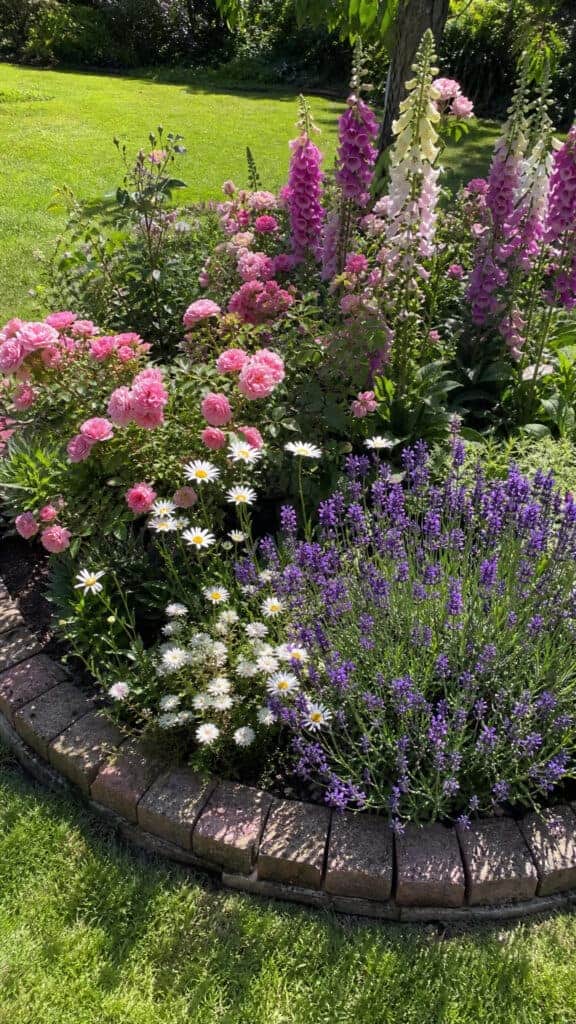

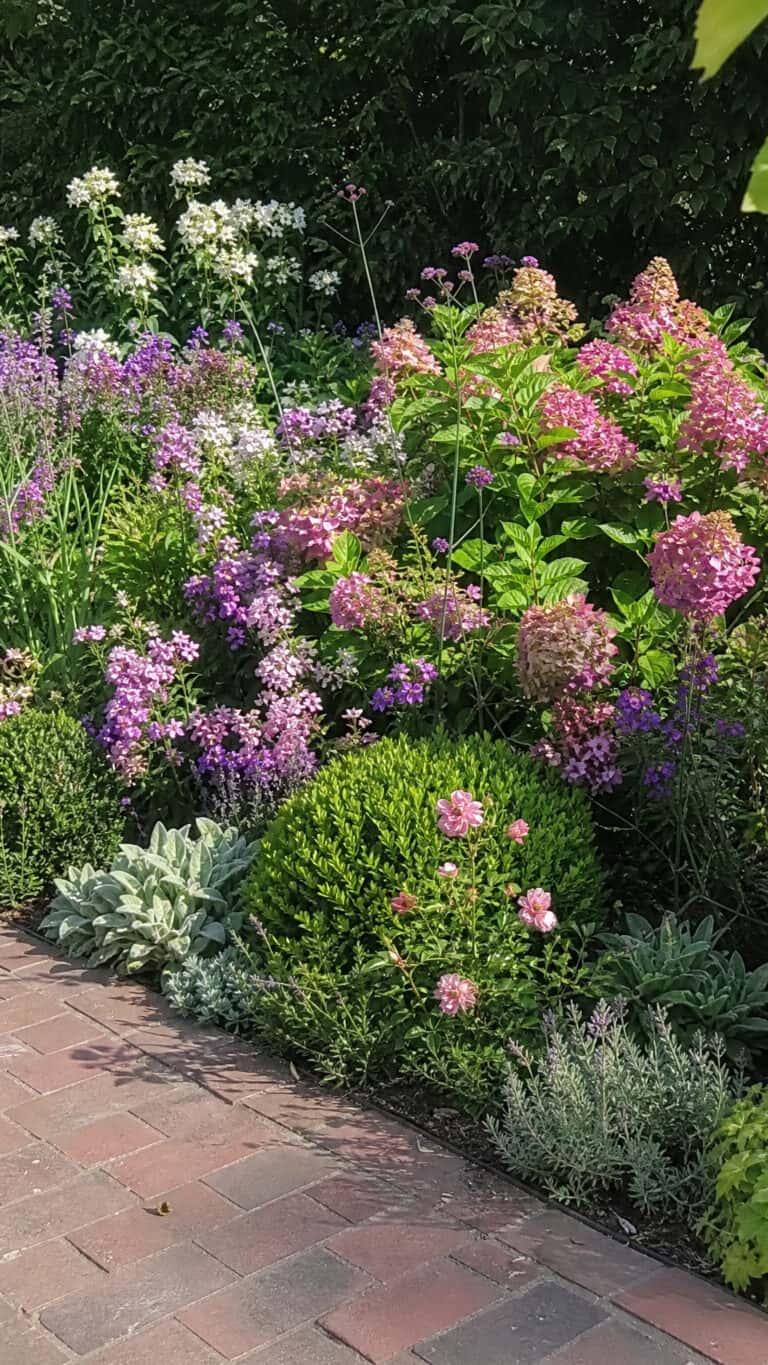
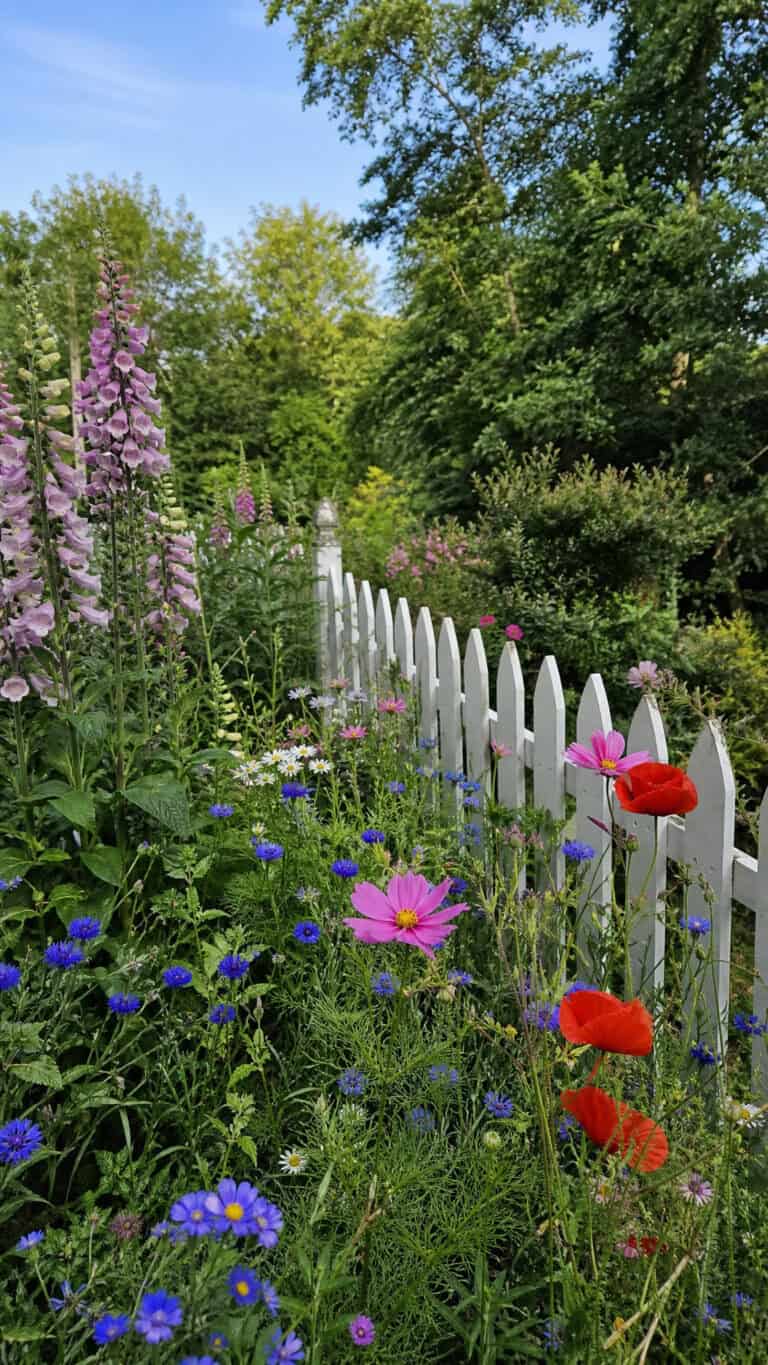
There’s something absolutely magical about a traditional cottage-style circle flower bed overflowing with a riot of colors and textures! This timeless design combines old-fashioned favorites like roses, lavender, daisies, and foxgloves in a gloriously unstructured way that looks effortlessly beautiful. The secret is layering plants by height, with taller beauties in the center and shorter bloomers cascading toward the edges.
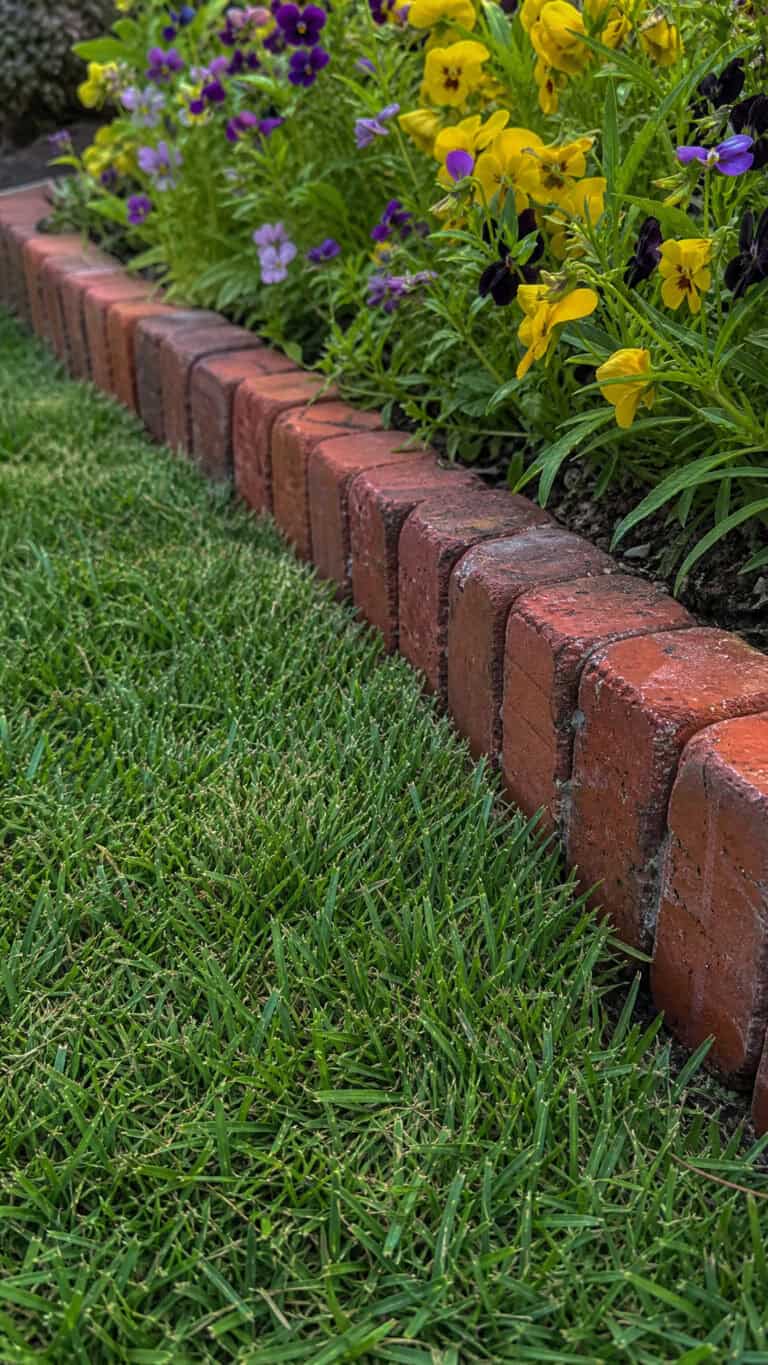
Start by defining your circular space with a simple edging material like brick or stone – this keeps the mulch in place and makes mowing around it so much easier (trust me on this one!). Plant your tallest flowers or a small ornamental tree right in the center as your anchor point. Then work your way outward with medium-height perennials, and finish with low-growing flowers or herbs along the border.
The beauty of this cottage garden approach is that it’s incredibly forgiving! If one plant doesn’t thrive, the abundance of other blooms fills in the gap. Plus, you can keep adding new plants whenever you spot something gorgeous at the garden center. My boys love helping me deadhead the flowers and watching for butterflies and bees – it’s become our little nature observation spot!
- Choose a mix of perennials and self-seeding annuals for continuous blooms
- Include fragrant herbs like lavender and catmint for sensory appeal
- Add some taller ornamental grasses for movement and texture
- Plant spring bulbs underneath for early season color
Modern Minimalist Circle with Ornamental Grasses
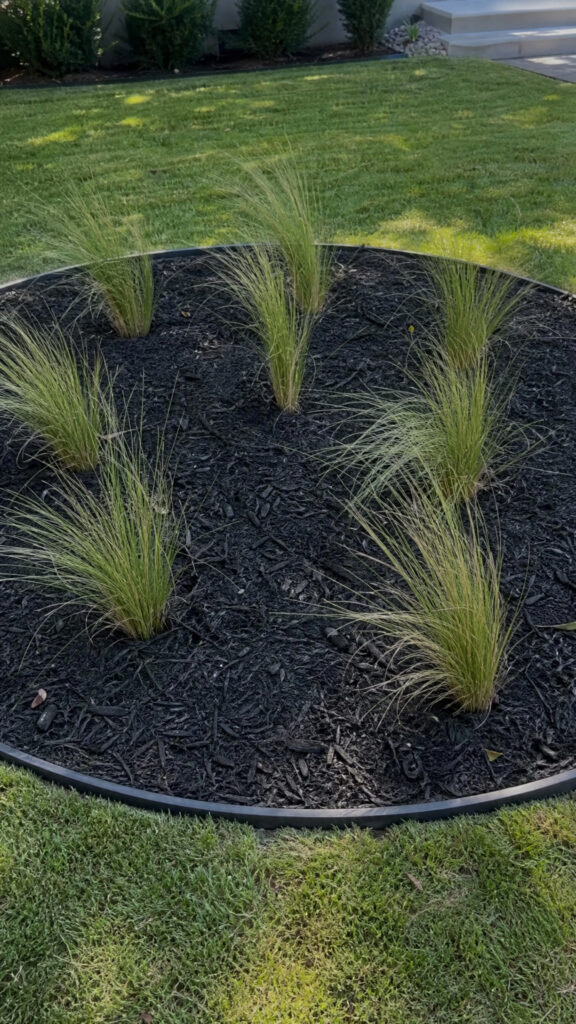
If you’re more into clean lines and contemporary style, a minimalist circle flower bed featuring ornamental grasses is absolutely stunning! This design focuses on simplicity, repetition, and architectural plants that make a bold statement without overwhelming your space. Think sleek, sophisticated, and surprisingly low-maintenance – perfect for busy moms who want beauty without the fuss!
Choose one or two types of ornamental grasses as your main feature, like tall fountain grass or dramatic miscanthus. Plant them in a circular pattern with consistent spacing for that intentional, designed look. Fill the spaces between with a single groundcover variety or leave them mulched for ultra-modern appeal. The grasses provide movement, texture, and year-round interest, even looking beautiful when they turn golden in fall!
I absolutely love this style because it requires minimal watering once established, and there’s no constant deadheading or fussing with finicky flowers. The boys can play football nearby without me worrying about crushing delicate blooms! Edge your circle with steel, concrete, or smooth river rocks to emphasize that contemporary vibe.
- Select drought-tolerant grasses for easy maintenance
- Use a single color mulch like black or gray for modern appeal
- Add architectural elements like large stones or geometric sculptures
- Consider uplighting for dramatic nighttime effects
Rainbow Color Wheel Garden
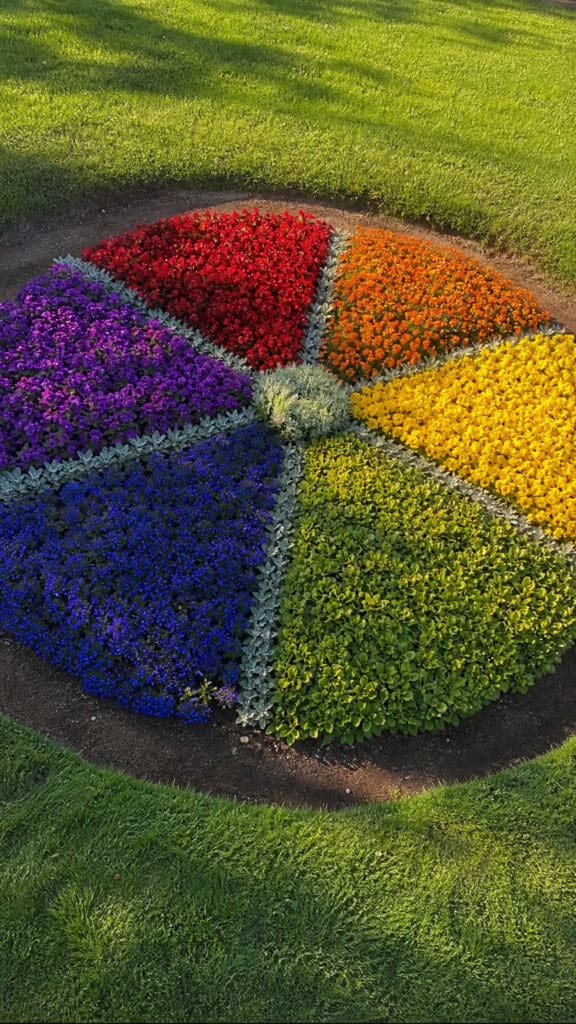
Want to create something that’ll make everyone smile? A rainbow color wheel circle flower bed is pure joy in garden form! This design divides your circular bed into wedge-shaped sections, each planted with flowers in a different color of the rainbow. It’s like creating a living color wheel right in your yard, and it’s absolutely mesmerizing!
Start by marking out your circle, then divide it into six or seven sections like slicing a pie. Assign each section a color: red, orange, yellow, green, blue, purple, and maybe white or pink. Choose flowers in each color that have similar growing requirements and bloom times so everything looks cohesive. Petunias, marigolds, salvia, and zinnias are fantastic choices because they bloom prolifically and come in nearly every color!
My boys think this design is the coolest thing ever – they love pointing out each color and watching how the flowers grow and change! It’s also a sneaky way to teach them about color theory and plant care. Plus, this circle flower bed makes for the most incredible photos throughout the growing season!
- Use annuals for the most vibrant, continuous color
- Plant taller flowers in the center and shorter ones at edges
- Add a decorative element in the very center as a focal point
- Consider bloom times to ensure simultaneous flowering
Butterfly and Pollinator Paradise Circle
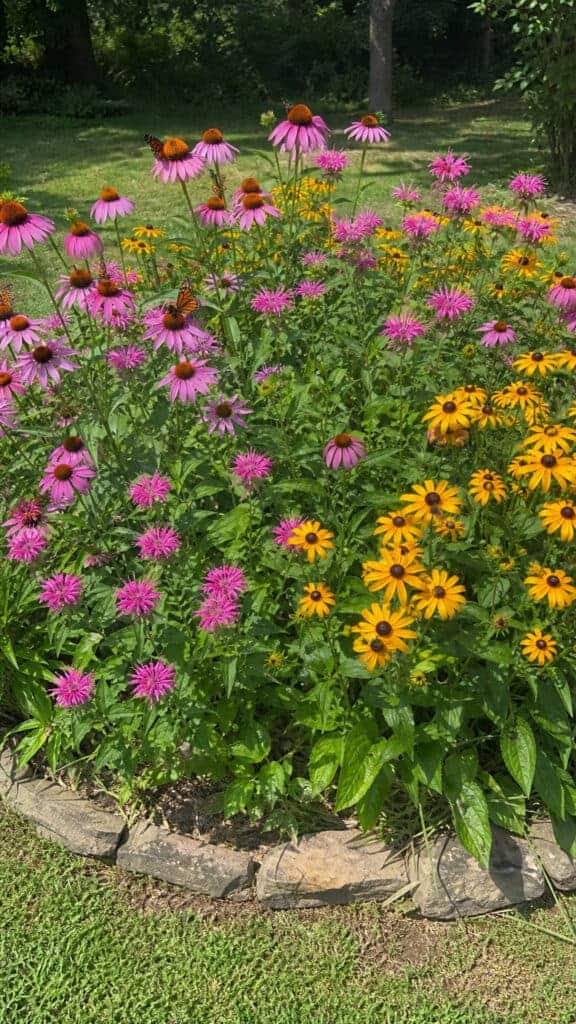
Creating a circle flower bed specifically designed to attract butterflies, bees, and hummingbirds is not only gorgeous but also incredibly rewarding! There’s nothing quite like watching these beautiful creatures flutter and buzz around your garden while you sip your morning coffee (or let’s be real, lukewarm coffee that you reheated twice because someone needed help finding their other shoe!).
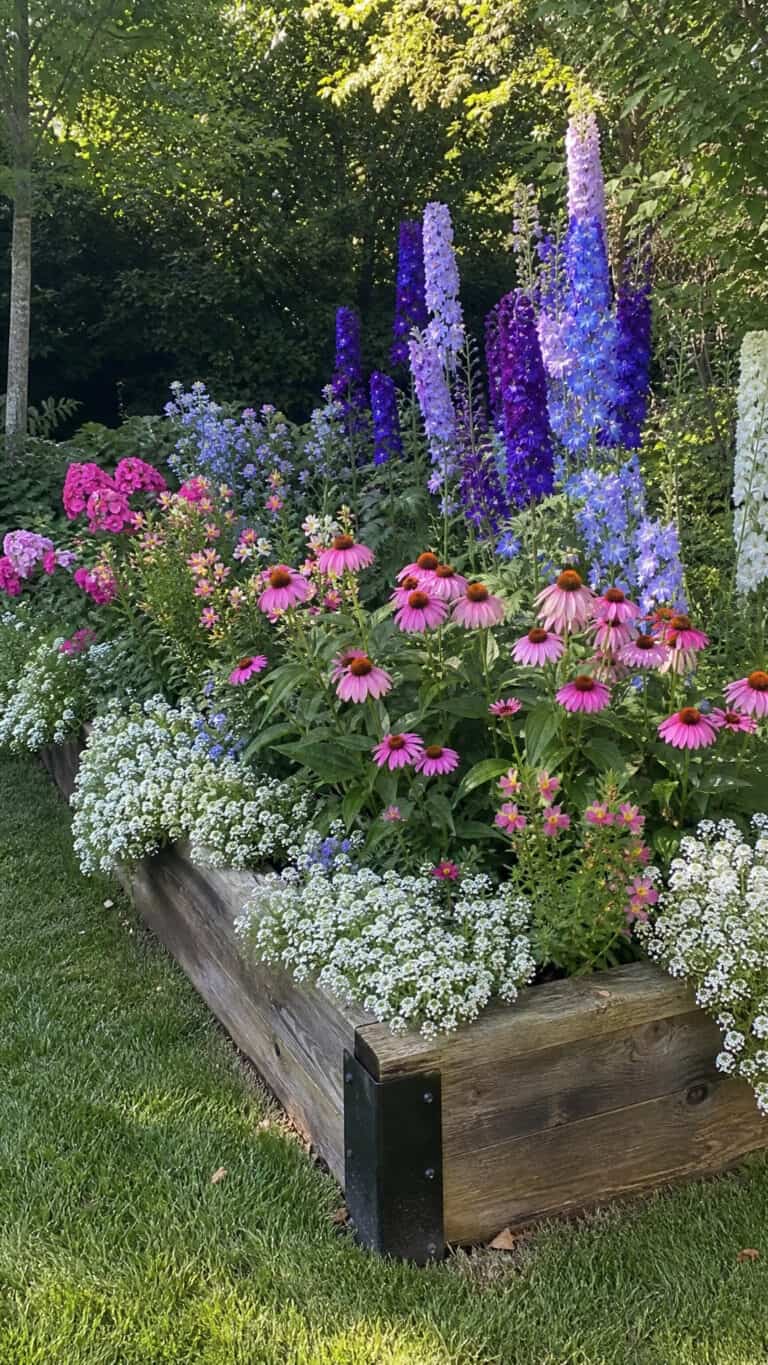
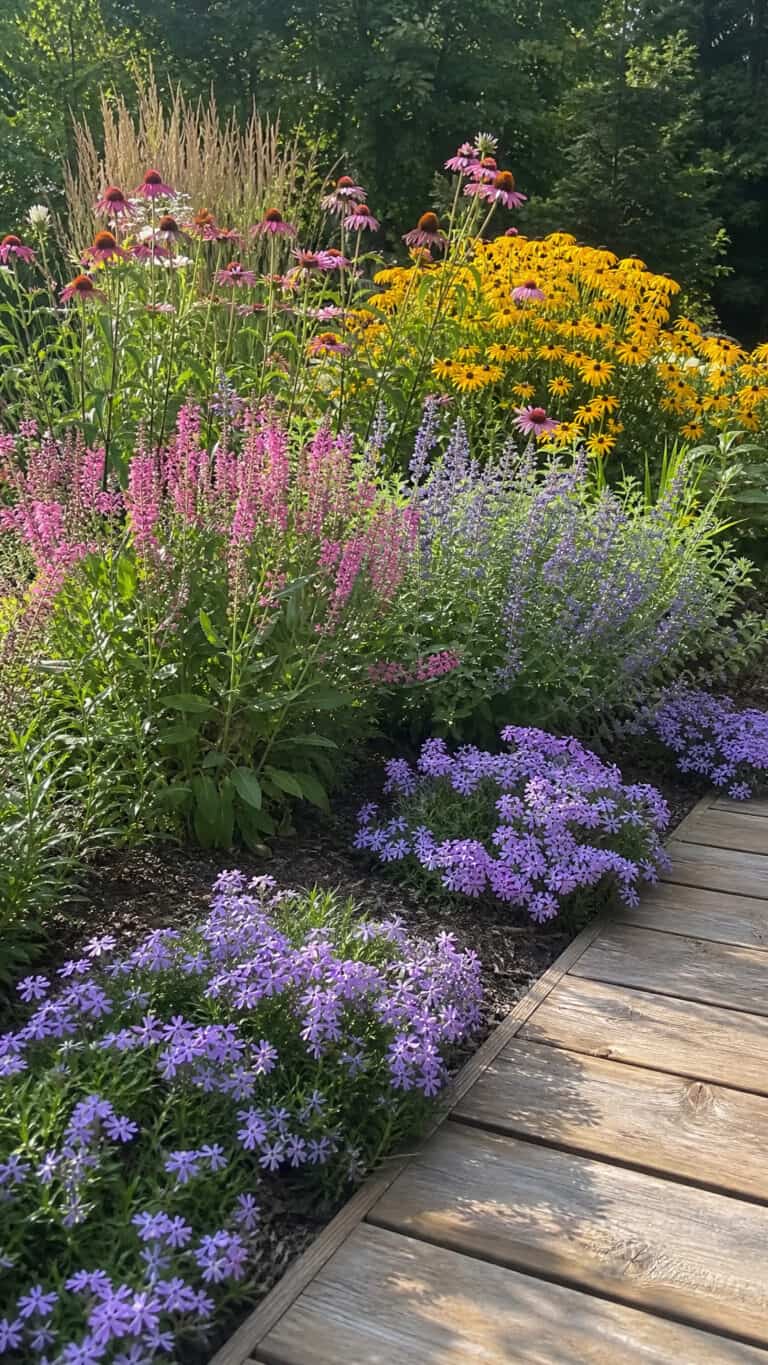
Choose nectar-rich flowers that bloom at different times throughout the season to provide continuous food sources for pollinators. Classics like coneflowers, black-eyed Susans, bee balm, butterfly bush, and milkweed are absolute pollinator magnets! Arrange them in drifts of color rather than single plants – pollinators are more attracted to larger groupings of the same flower.
This type of circle flower bed is incredibly educational for kids too! My three boys have learned so much about different butterfly species, the importance of bees, and how ecosystems work just from observing our pollinator garden. We keep a butterfly identification guide nearby and make it a game to spot new visitors. Plus, you’re doing something genuinely helpful for the environment, which feels amazing!
- Avoid pesticides to keep your garden safe for beneficial insects
- Include host plants like milkweed for butterfly caterpillars
- Add a shallow water source with stones for landing spots
- Plant native species that local pollinators have evolved with
- Leave some areas undisturbed for ground-nesting bees
Spiral Herb Circle Garden
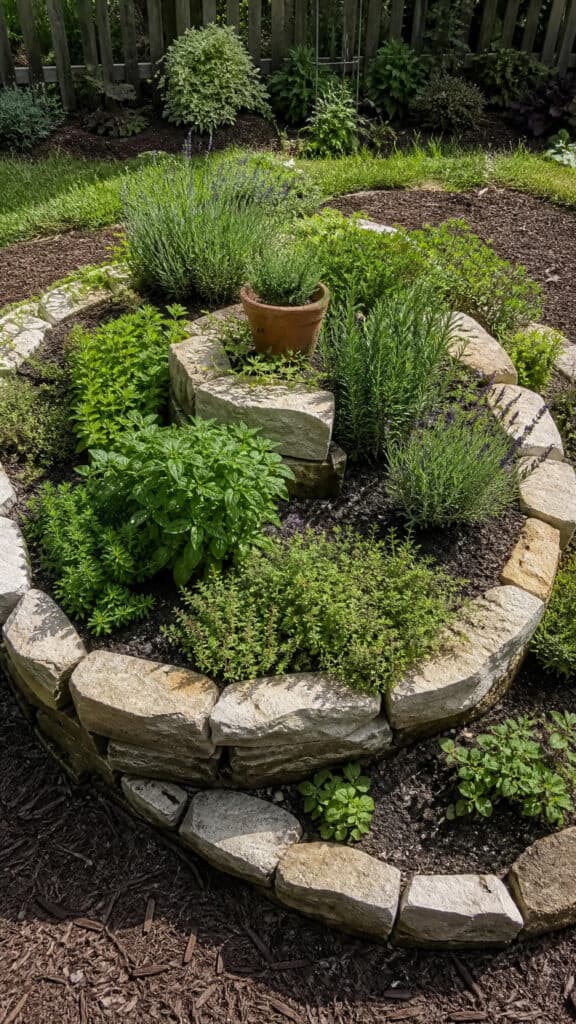
A spiral herb circle flower bed combines beauty with functionality in the most delightful way! This design features herbs planted in a spiral pattern within your circular bed, creating visual interest while providing fresh herbs for your kitchen. It’s like having a gorgeous garden sculpture that you can also eat – how cool is that?
The spiral design is actually quite practical because it creates different microclimates within one bed. The top of the spiral gets more sun and drains faster (perfect for Mediterranean herbs like rosemary, thyme, and oregano), while the bottom stays moister (ideal for parsley, cilantro, and chives). You can build up the spiral with stones or bricks to create the raised spiral effect, or simply plant in a spiral pattern for a subtler look.
I absolutely love having fresh herbs just steps from my kitchen door! There’s something so satisfying about running outside to snip some basil for dinner or grabbing fresh mint for afternoon iced tea. The boys think it’s hilarious to smell the different herbs, and they’ve actually become more adventurous eaters since we started growing our own! Plus, this circle flower bed looks beautiful and smells incredible.
- Group herbs by water and sun requirements
- Include some flowering herbs like lavender for visual appeal
- Add stepping stones for easy harvesting access
- Plant perennial herbs for year-after-year returns
- Consider adding a small sundial or garden marker in the center
Seasonal Bulb Circle Showcase
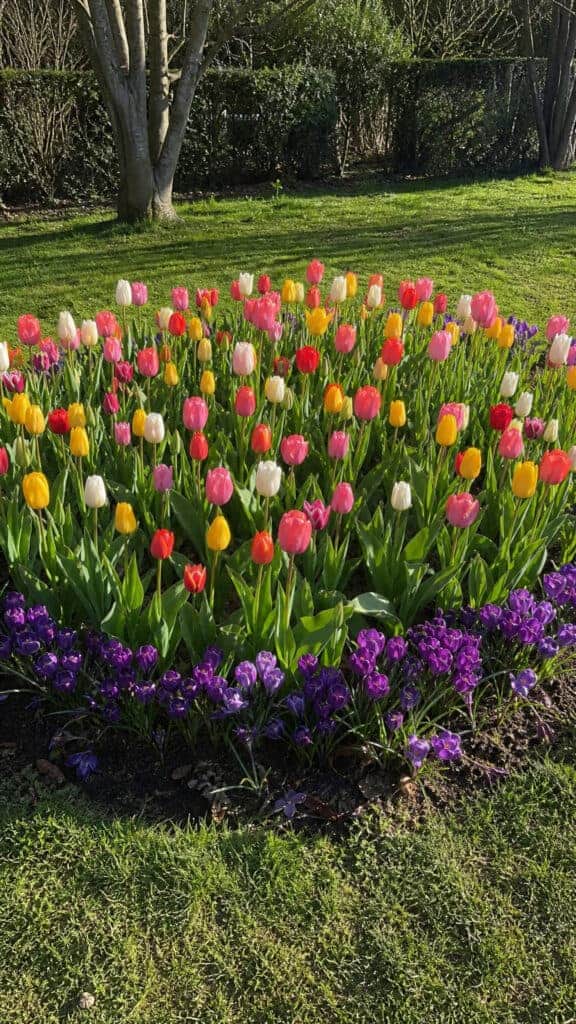
Imagine stepping outside in early spring to a circle flower bed absolutely bursting with cheerful tulips, daffodils, and crocuses! A seasonal bulb circle is designed to provide spectacular shows throughout the year by layering different bulbs that bloom at different times. It’s like having multiple gardens in one space, and the anticipation of each new bloom season is so exciting!
The trick to a successful bulb circle is planting in layers – a technique called “lasagna planting.” Plant your latest-blooming bulbs (like alliums or lilies) deepest, then add layers of soil and earlier-blooming bulbs as you work your way up. This way, you get continuous blooms from late winter through early summer! Follow up with heat-loving annuals for summer color, then enjoy the foliage die-back knowing next year’s show is already planted.
This circle flower bed idea is perfect if you want major impact without constant maintenance during the growing season. Once those bulbs are planted in fall, you’re basically done until spring! My boys love the surprise element of seeing what pops up each week as different bulbs emerge and bloom. We make it a tradition to take photos in front of the tulips every spring!
- Plant bulbs in fall for spring blooms
- Layer different bulb types at appropriate depths
- Choose a color scheme or go for a mixed cottage look
- Mark bulb locations to avoid accidentally digging them up
- Allow foliage to die back naturally to feed next year’s bulbs
Shade-Loving Circle Under Trees
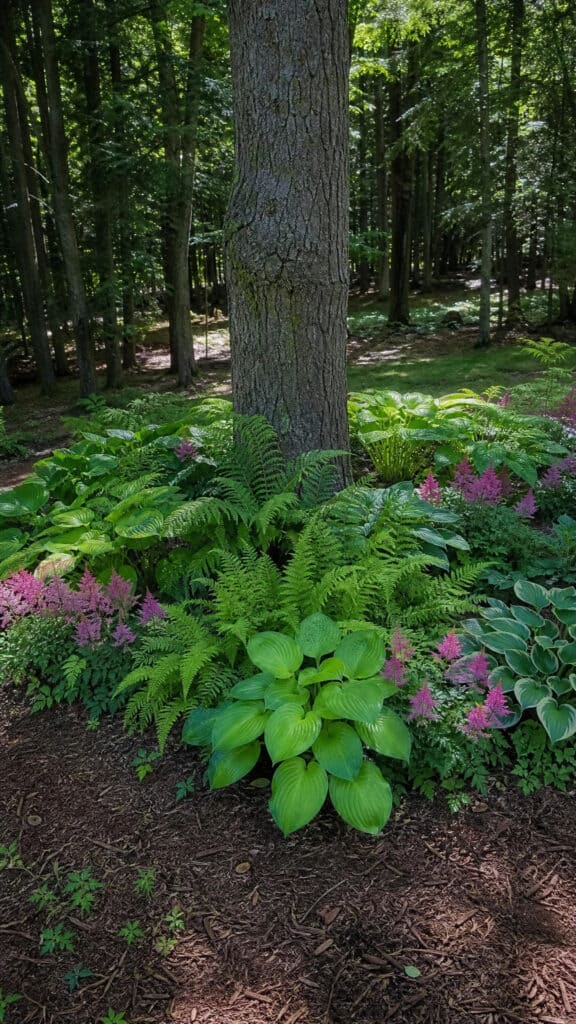
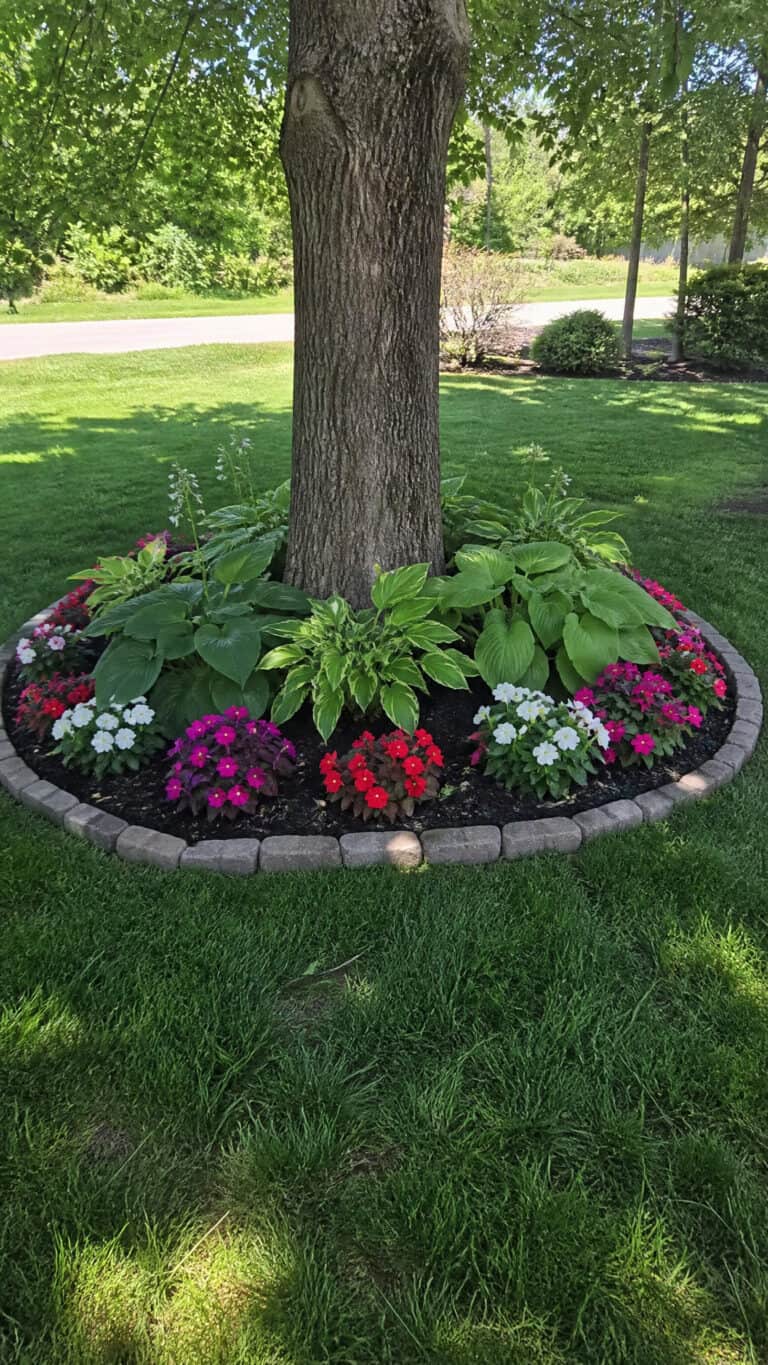
That shady spot under your tree where grass refuses to grow? It’s actually the perfect location for a gorgeous circle flower bed! Instead of fighting with patchy lawn, embrace the shade and create a lush, woodland-inspired garden ring around your tree trunk. This transforms a problem area into a beautiful feature that looks intentional and polished!
Shade-loving plants like hostas, ferns, astilbe, bleeding hearts, and coral bells absolutely thrive in these conditions and offer amazing variety in foliage colors and textures. Create your circle flower bed by starting a few feet out from the tree trunk (to avoid major roots) and work outward to whatever diameter looks proportional. Edge it nicely, and suddenly that bare patch becomes a showpiece!
I created one of these under our big oak tree, and it’s become my favorite peaceful spot in the yard! The shade makes it comfortable to work there even on hot days, and the plants require less watering than my sunny beds. Plus, it’s finally a space where the boys’ constant running around doesn’t destroy everything because these plants are tough! The hostas especially can handle the occasional soccer ball incident.
- Choose plants suited for your specific shade level (dappled vs. deep)
- Focus on foliage interest since shade plants often have fewer flowers
- Add a layer of quality compost when planting
- Use mulch to retain moisture and suppress weeds
- Consider adding shade-tolerant spring bulbs for early color
Succulent Circle for Low Maintenance
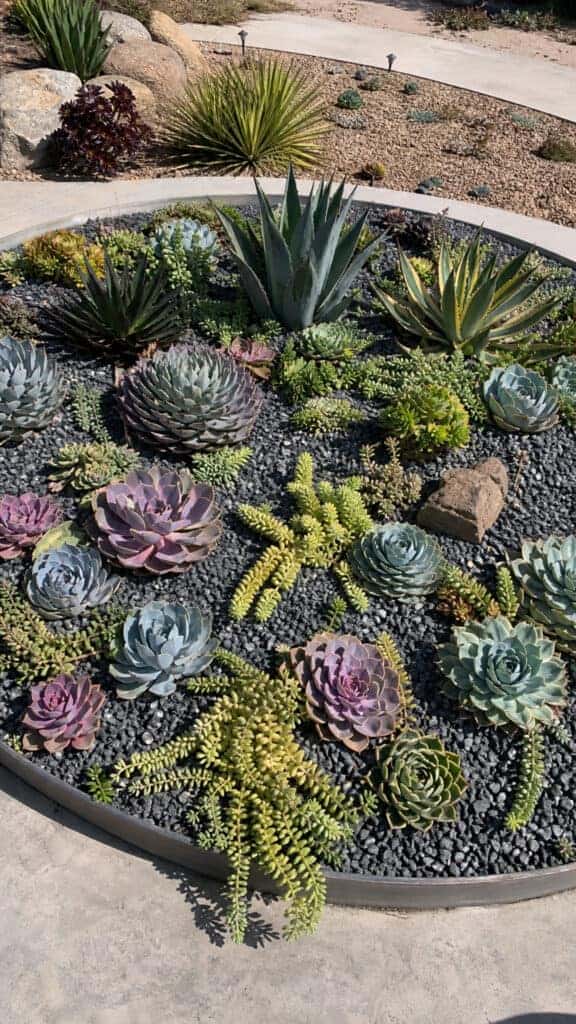
If you live in a warm, dry climate or just want the absolute easiest garden possible, a succulent circle flower bed is calling your name! These trendy, sculptural plants create stunning geometric patterns and require minimal water and care once established. It’s basically the ultimate low-maintenance garden that still looks like you spent hours perfecting it!
Design your succulent circle by choosing varieties in different colors, textures, and heights to create visual interest. Think blue-gray echeverias, spiky agaves, trailing sedums, and architectural aloes arranged in patterns or color blocks. You can create a formal, symmetrical design or go for a more natural, clustered look. Either way, the result is modern, eye-catching, and totally Instagram-worthy!
I have a small succulent circle near our front entrance, and it’s the garden bed I literally never worry about! It looks great year-round, survives our occasional neglect during busy weeks, and the boys can’t destroy it with their roughhousing. Bonus: succulents are super easy to propagate, so when one gets too big, I just break off pieces and start new plants. It’s the gift that keeps on giving!
- Ensure excellent drainage with sandy, gritty soil
- Choose cold-hardy succulents if you experience freezing temperatures
- Use decorative rock or gravel instead of traditional mulch
- Group succulents with similar water needs together
- Add interesting rocks or driftwood for additional texture
Tiered Circle with Height Variation
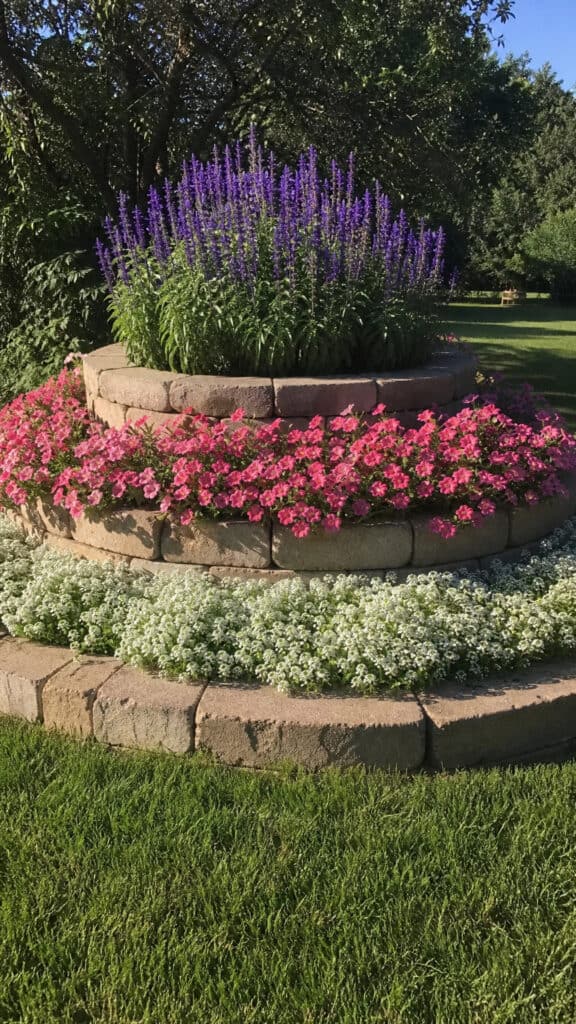
Create dramatic visual impact with a tiered circle flower bed that features multiple levels of planting! This design uses raised rings or mounded soil to create a terraced effect, with the highest point in the center gradually stepping down to ground level at the outer edge. It’s like a floral amphitheater that showcases every single plant beautifully!
You can create the tiers using landscape timbers, stacked stones, or simply by mounding and shaping soil into levels. The elevated design provides better drainage, makes plants easier to see and tend, and adds significant dimension to an otherwise flat yard. Plant your tallest flowers or a small shrub at the top center, then graduate down to medium and low-growing plants on each descending tier.
This circle flower bed style is fantastic for sloped yards because you can work with the natural grade, or it can add much-needed dimension to a completely flat space. I love that every plant is visible and accessible – no more bending down to weed at ground level! The boys think it looks like a flower mountain, and honestly, they’re not wrong. It’s definitely a statement piece that draws the eye from across the yard!
- Ensure proper drainage between levels to prevent waterlogging
- Use retaining materials appropriate for your style and budget
- Plant trailing flowers on upper tiers to cascade down
- Consider adding a small water feature at the top for movement
- Install drip irrigation if hand-watering multiple levels seems daunting
Monochromatic Elegance Circle
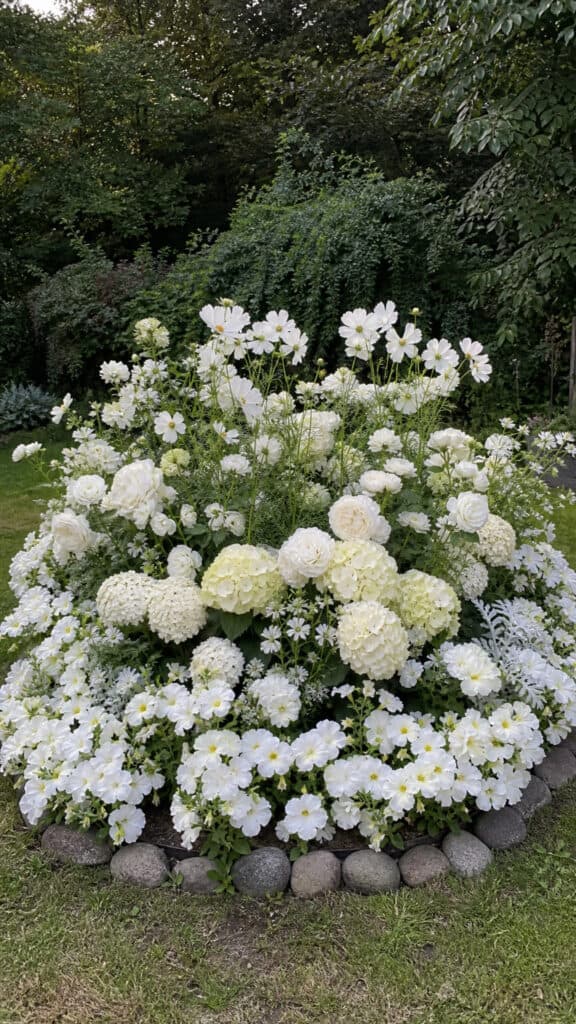
Sometimes the most sophisticated designs are the simplest ones! A monochromatic circle flower bed featuring flowers in varying shades of a single color creates an incredibly elegant, cohesive look that’s surprisingly impactful. Whether you choose romantic whites, cheerful yellows, or dramatic purples, this approach feels intentional and refined!
The key to making a monochromatic design interesting is varying the textures, flower shapes, and plant heights within your chosen color family. For a white garden, you might combine fluffy white petunias, spiky white veronica, delicate white cosmos, and bold white hydrangeas. The different forms keep it from feeling flat or boring even though everything is the same color. Add plants with interesting foliage to provide even more texture and depth!
I created a yellow monochromatic circle flower bed, and it absolutely glows in the evening light! It’s so cheerful and sunny, and it makes me smile every single time I see it. Plus, this design approach makes plant shopping so much easier because you have clear parameters – no more standing in the garden center completely overwhelmed by choices! The focused color palette creates a calming, pulled-together look that feels very intentional.
- Include flowers in various shades from pale to deep within your color
- Mix different flower shapes and sizes for visual interest
- Add foliage plants in complementary tones
- Consider how colors appear in different lighting conditions
- Use odd numbers of each plant variety for natural-looking groupings
Create Your Dream Circle Flower Bed!
There you have it – ten absolutely gorgeous ways to incorporate a circle flower bed into your landscape! Whether you’re drawn to the romantic abundance of a cottage garden, the clean simplicity of modern grasses, or the practical beauty of an herb spiral, there’s a circular design that’ll work perfectly for your space and lifestyle. The best part is that circular beds are surprisingly easy to create and maintain, even with three little boys running around constantly!
Don’t be afraid to start small and expand your vision over time – gardening is definitely a journey, not a destination! Pick the design that speaks to you, grab your supplies on a day when the kids are occupied, and start creating that standout garden feature you’ve been dreaming about. Your yard (and your Instagram feed!) will thank you! Happy planting, mama!