This post may contain affiliate links. Read the full disclosure here.
There’s something magical about pulling into your driveway and seeing beautiful flower beds around house perimeters that just make everything feel more welcoming! As a mom of three energetic boys, I’ll admit that landscaping sometimes takes a backseat to soccer practice and snack time, but I’ve learned that creating gorgeous flower beds doesn’t have to be complicated or time-consuming.
Whether you’re looking to completely transform your home’s exterior or just want to add some pops of color that’ll make the neighbors stop and stare, flower beds around your house foundation are the perfect solution! The best part? Most of these ideas are totally doable even with little helpers who might want to dig in the dirt alongside you (though supervision is definitely required with my crew!).
Foundation Plantings That Frame Your Home Perfectly
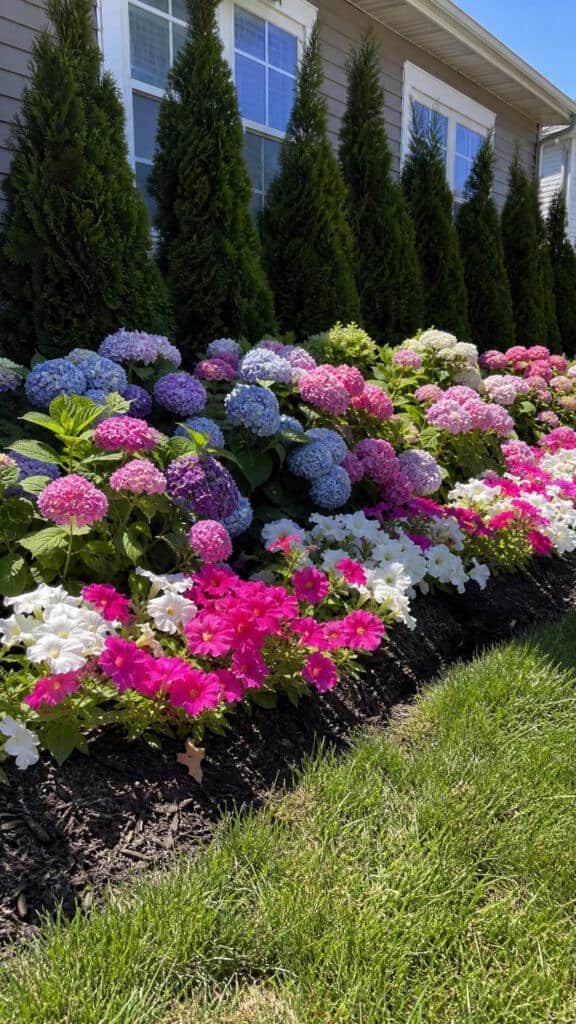

Foundation plantings are the backbone of any great flower bed design around your house! These beds run along your home’s foundation and create that polished, intentional look that makes everything come together beautifully.
The key to successful foundation beds is layering your plants by height. Start with taller shrubs or ornamental grasses in the back (closest to your house), then add medium-height perennials in the middle, and finish with low-growing flowers or ground covers along the front edge. This creates gorgeous depth and dimension!
Some of my favorite foundation planting combinations include:
- Evergreen shrubs like boxwoods or hollies for year-round structure and greenery
- Hydrangeas or roses for stunning seasonal blooms that wow everyone
- Hostas or coral bells for beautiful foliage in shaded areas
- Petunias, marigolds, or begonias for pops of color you can change seasonally
Don’t forget to leave enough space between your plants and the house for proper air circulation! I learned this the hard way when my first attempt at foundation beds ended up creating a moisture problem. Now I keep at least 12-18 inches between the house and my plantings, and everything thrives so much better!
Corner Bed Designs That Add Drama
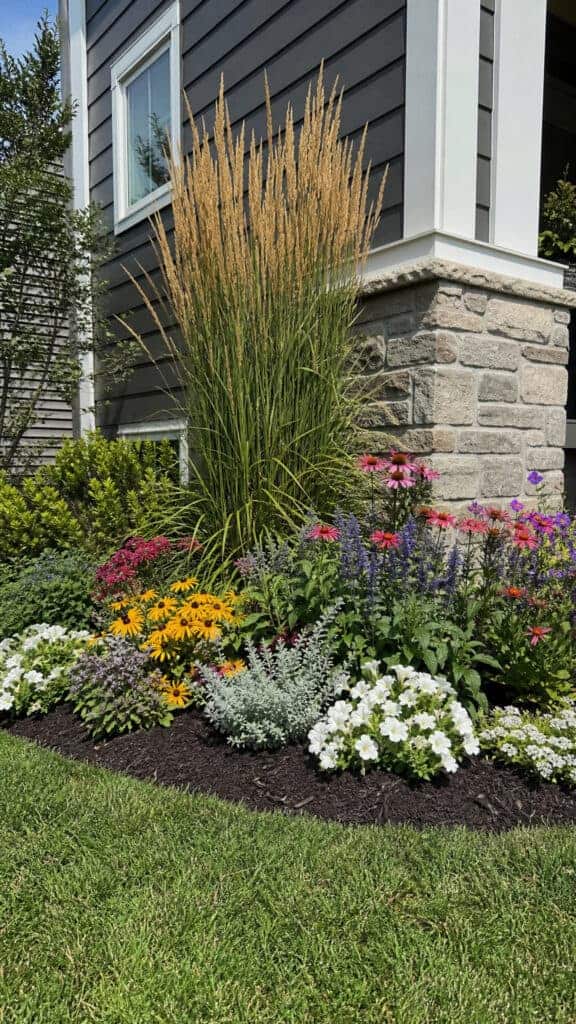
Corner flower beds around house edges are absolute game-changers for curb appeal! These beds wrap around the corners of your home and create focal points that draw the eye and add so much visual interest.
I love corner beds because they’re perfect for making a statement without overwhelming your entire yard. You can go bold with tall ornamental grasses, dramatic cannas, or even a small specimen tree as your anchor plant, then surround it with complementary flowers and foliage.
For a corner bed that really pops, try this winning formula:
- One tall focal point plant positioned slightly off-center for visual interest
- Three to five medium-height plants in odd numbers (odd numbers always look more natural!)
- Seven to nine low-growing border plants to tie everything together
- Mulch or decorative stones to keep weeds down and moisture in
My corner beds have become the spots where my boys love to hunt for butterflies and bees, which makes gardening time a fun family activity! Just make sure to choose plants that are safe and non-toxic if you’ve got curious little ones who might want to touch everything like mine do.
Curved Beds for Softness and Flow
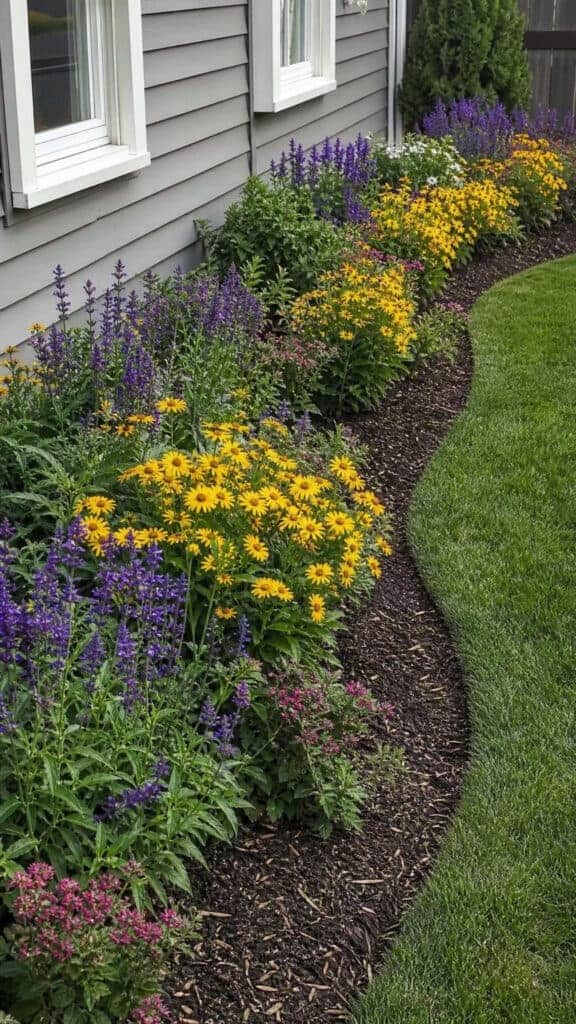
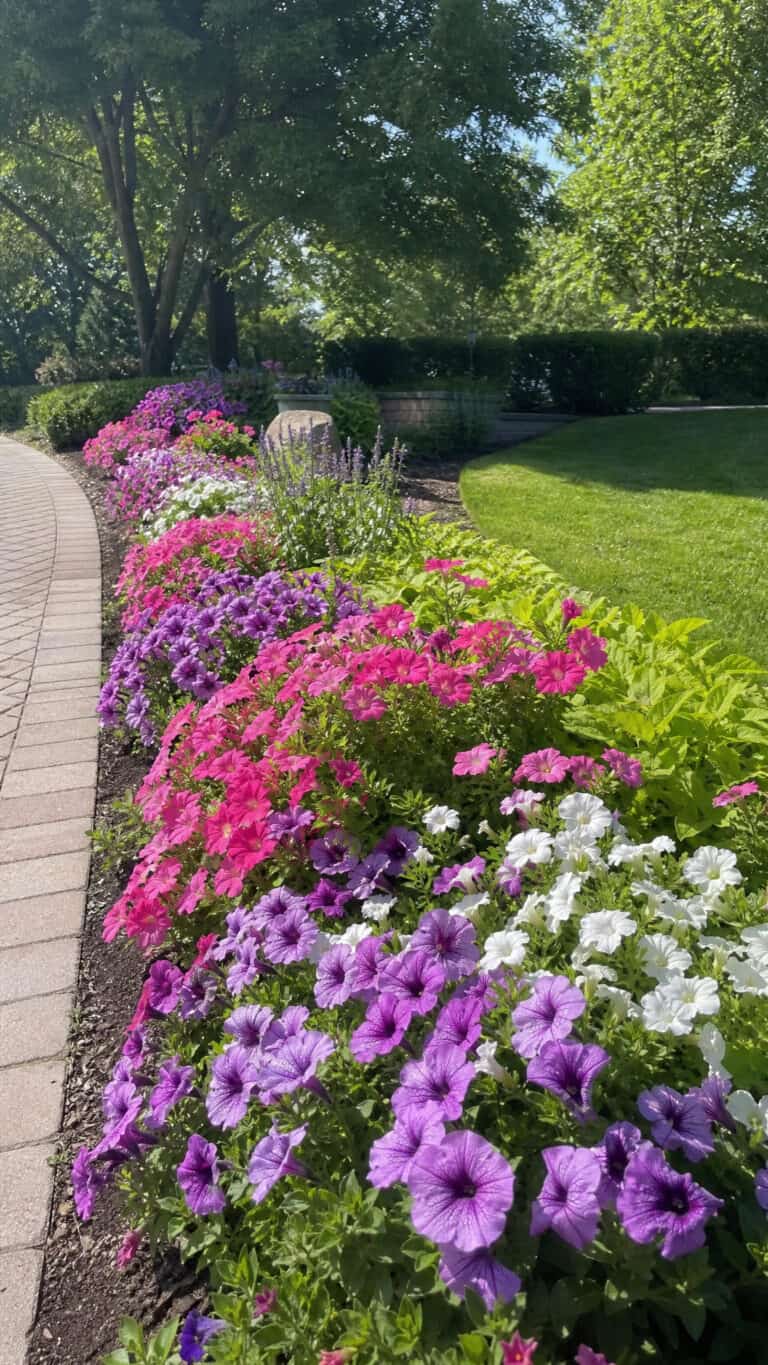
Straight lines are fine, but curved flower beds around house foundations add such a soft, organic feel that makes your landscaping look professionally designed! Trust me, making the switch from straight-edged beds to gentle curves was one of the best decisions I made for our home’s curb appeal.
Creating curved beds is easier than you might think! I use a garden hose laid out on the ground to visualize the curve before I start digging. You can adjust it until the shape looks just right, then use spray paint or a spade to mark the edge. The goal is gentle, flowing curves—nothing too dramatic or squiggly!
Curved beds work especially well for:
- Softening harsh architectural lines on modern or boxy homes
- Creating natural pathways that guide visitors to your front door
- Making small yards feel larger by adding visual movement
- Connecting different landscape elements like trees, mailboxes, or lamp posts
When planting curved beds, I like to repeat the same plants in drifts along the curve rather than planting in straight rows. This creates a more natural, flowing look that’s absolutely gorgeous! And bonus—curved beds are actually easier to mow around than beds with sharp corners.
Raised Beds for Added Dimension
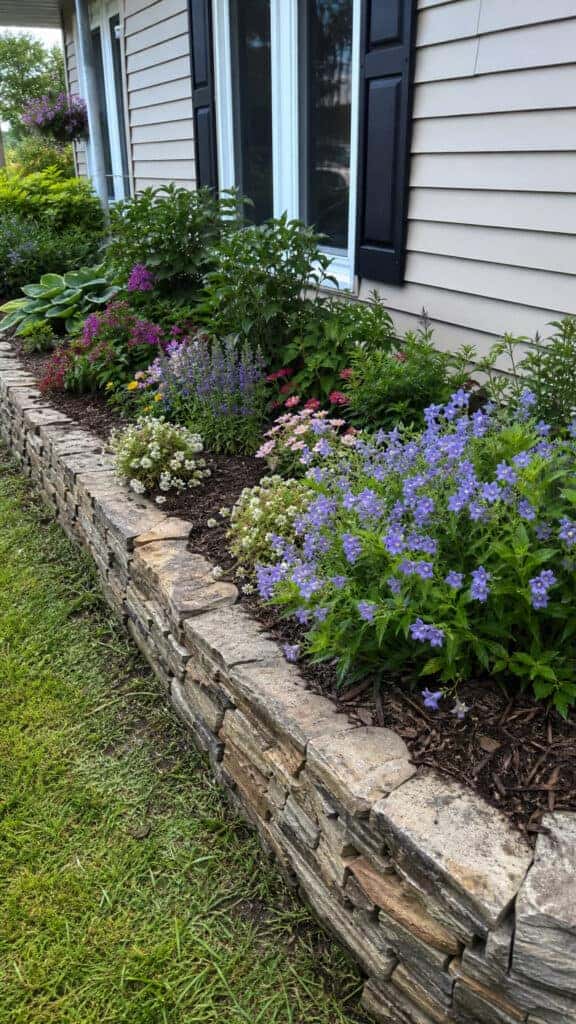
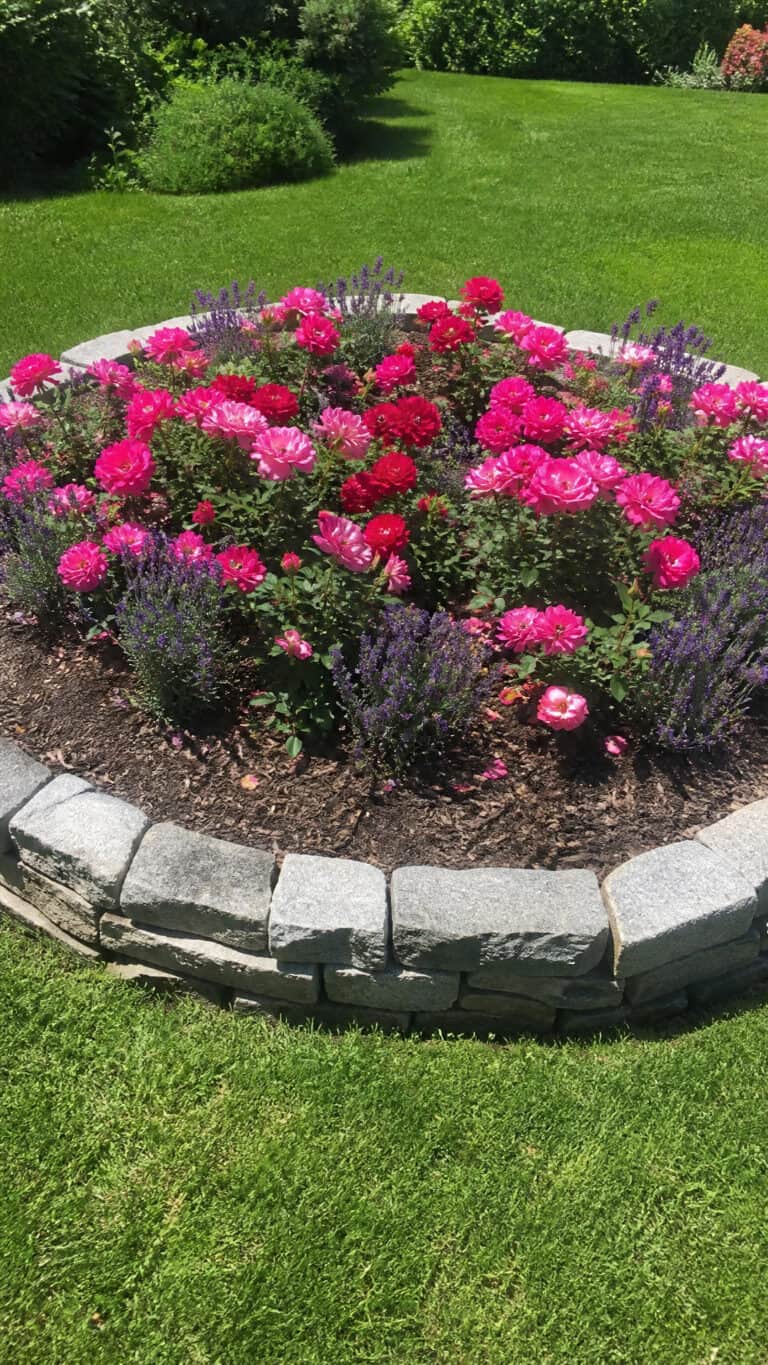
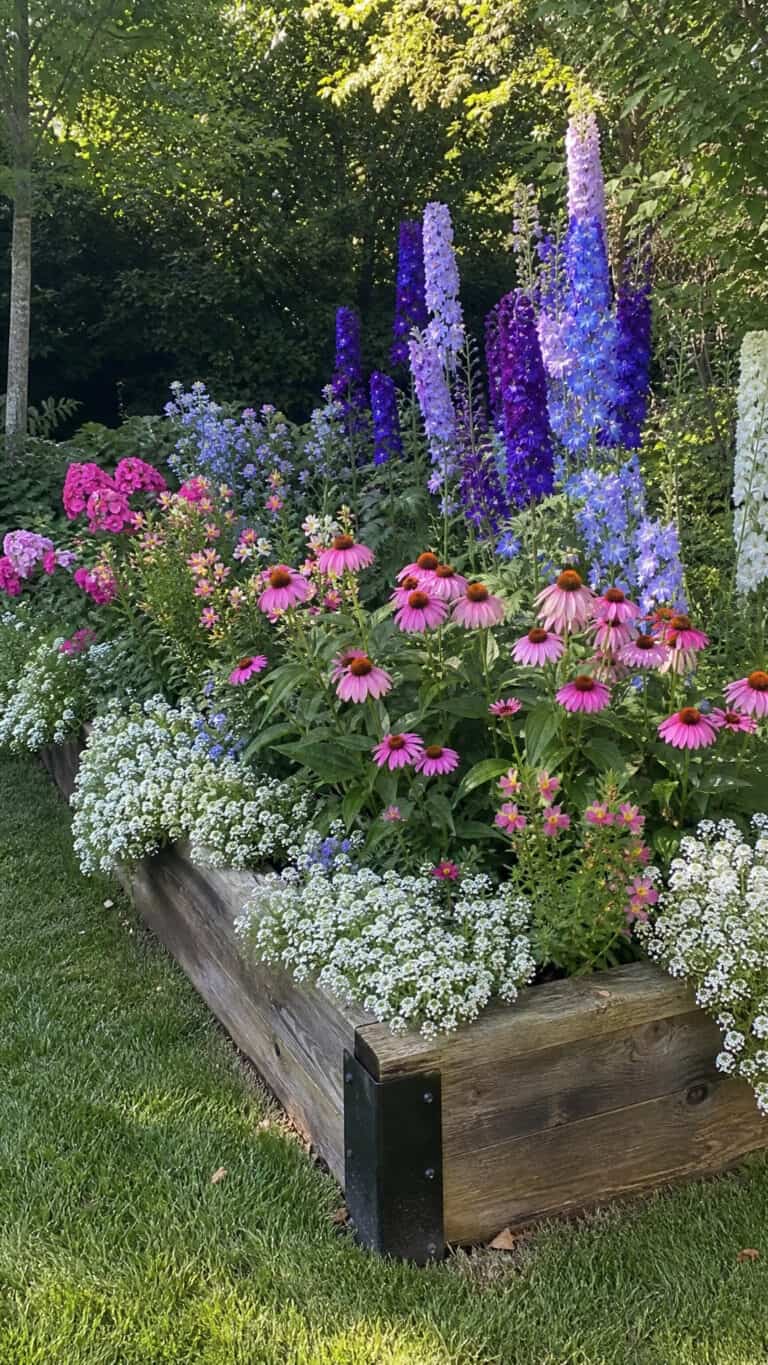
Raised flower beds around house foundations are perfect if you’re dealing with poor soil, drainage issues, or if you just want to add some serious wow-factor to your landscaping! Plus, they’re easier on your back when it’s time to plant or weed—something this busy mom definitely appreciates!
You can create raised beds using various materials like stone, brick, timber, or even decorative concrete blocks. I went with stacked stone for our front beds because it looks timeless and complements our home’s exterior beautifully. The height adds instant dimension and makes even simple plantings look more intentional and designed.
Benefits of raised flower beds include:
- Better drainage which means healthier plants and fewer problems
- Warmer soil in spring so you can plant earlier in the season
- Defined borders that keep mulch and soil contained (less mess to clean up!)
- Easier maintenance with less bending and kneeling required
Keep your raised beds between 6 and 18 inches high for the best look and function. Any higher and they can start to look too imposing against your house foundation. I filled mine with a mix of quality topsoil and compost, and my plants have absolutely thrived! The boys even helped me pick out some of the stones, which made them feel invested in keeping our flower beds looking nice.
Color-Coordinated Beds That Pop
One of my favorite tricks for making flower beds around house foundations look absolutely stunning is choosing a cohesive color scheme! Instead of planting every color of the rainbow (which can look a bit chaotic), picking two or three complementary colors creates such a polished, designer look.
For our home, I chose a purple, white, and pink color scheme that looks fresh and cheerful without being overwhelming. Every spring, I stick to this palette when choosing annuals, and it makes shopping so much easier! I don’t get distracted by every pretty flower—I just focus on my colors and move on.
Some winning color combinations to try:
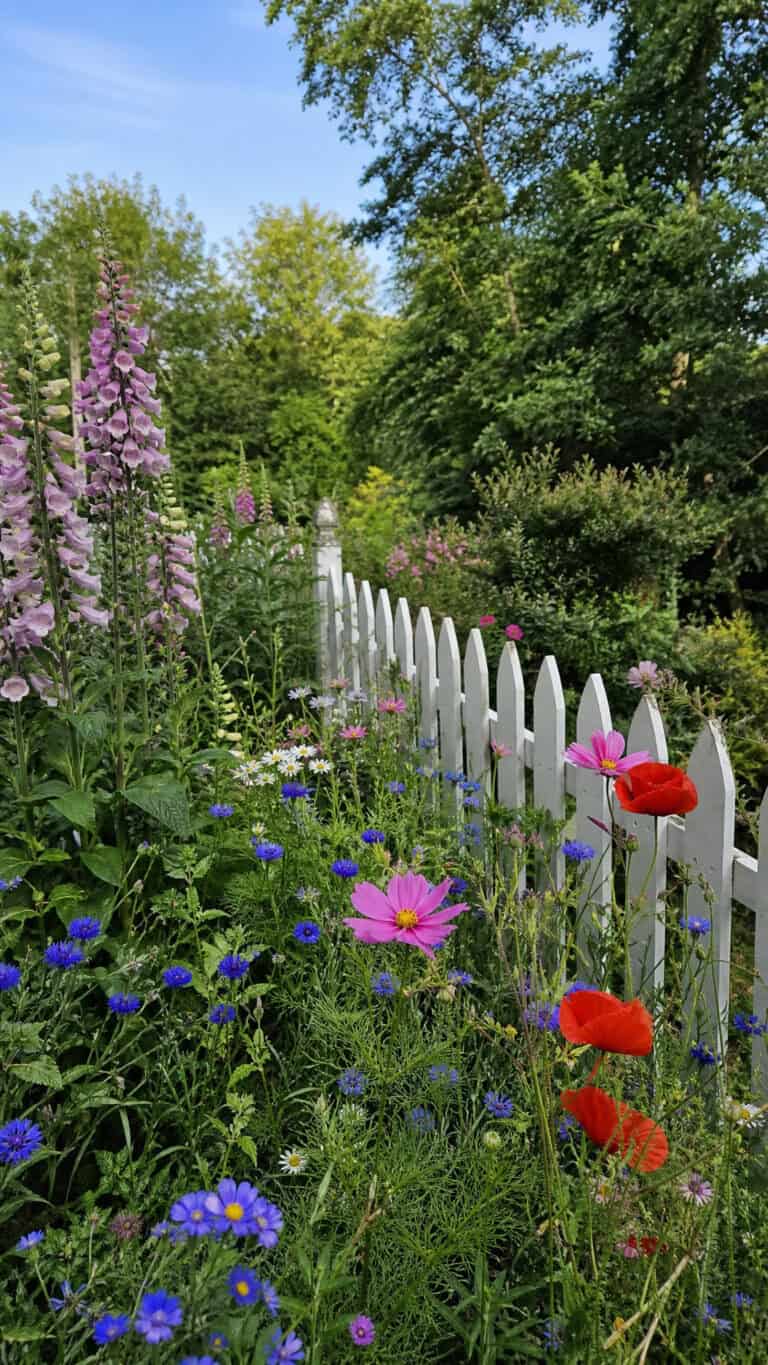
- Purple, yellow, and white for a classic, cottage garden feel
- Red, orange, and yellow for bold, energetic curb appeal
- Blue, white, and silver for a cool, sophisticated look
- Pink, burgundy, and cream for romantic, elegant beds
Don’t forget about foliage color too! Plants with chartreuse, burgundy, or variegated leaves add interest even when flowers aren’t blooming. I’ve learned to think of foliage as the foundation and flowers as the accessories—both are important for creating flower beds that look amazing all season long!
My middle son loves helping me deadhead the spent blooms, which keeps everything looking fresh and encourages more flowers. It’s become our special weekend activity, and I love that he’s learning to appreciate beautiful landscaping!
Low-Maintenance Options for Busy Families
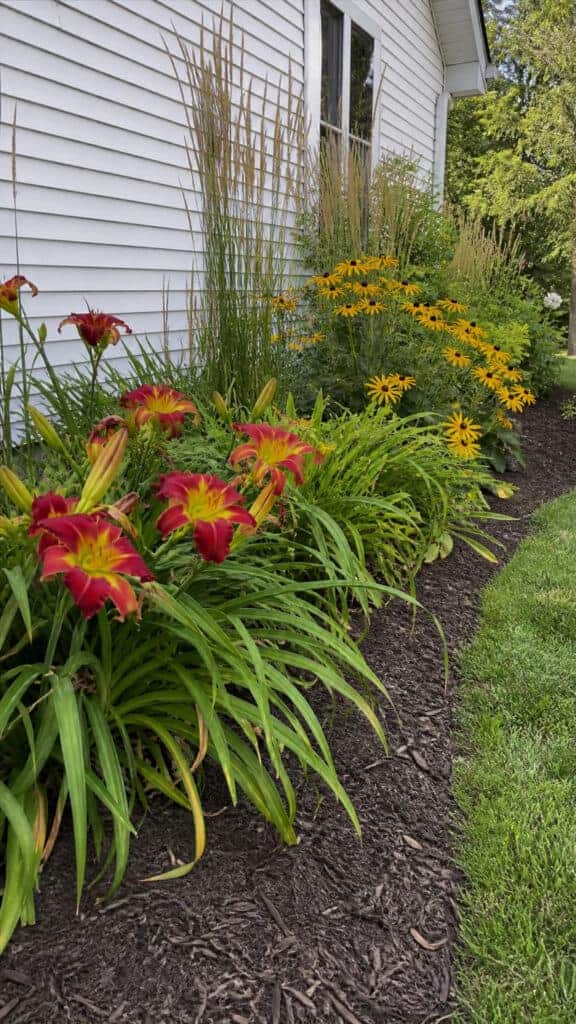
Let’s be real—with three boys keeping me on my toes, I need flower beds around house foundations that look gorgeous without requiring hours of maintenance every week! The good news is that you can absolutely have stunning curb appeal without becoming a slave to your landscaping.
The secret is choosing the right plants and setting up your beds properly from the start. I’ve learned that investing time upfront in good soil preparation, proper spacing, and quality mulch saves me countless hours later. Now my beds practically take care of themselves!
My favorite low-maintenance strategies include:
- Using perennials as your foundation so you’re not replanting every year
- Installing landscape fabric under mulch to seriously reduce weeding
- Choosing native plants that are adapted to your climate and need less water
- Adding a layer of mulch 2-3 inches thick to retain moisture and suppress weeds
- Installing drip irrigation or soaker hoses for effortless watering
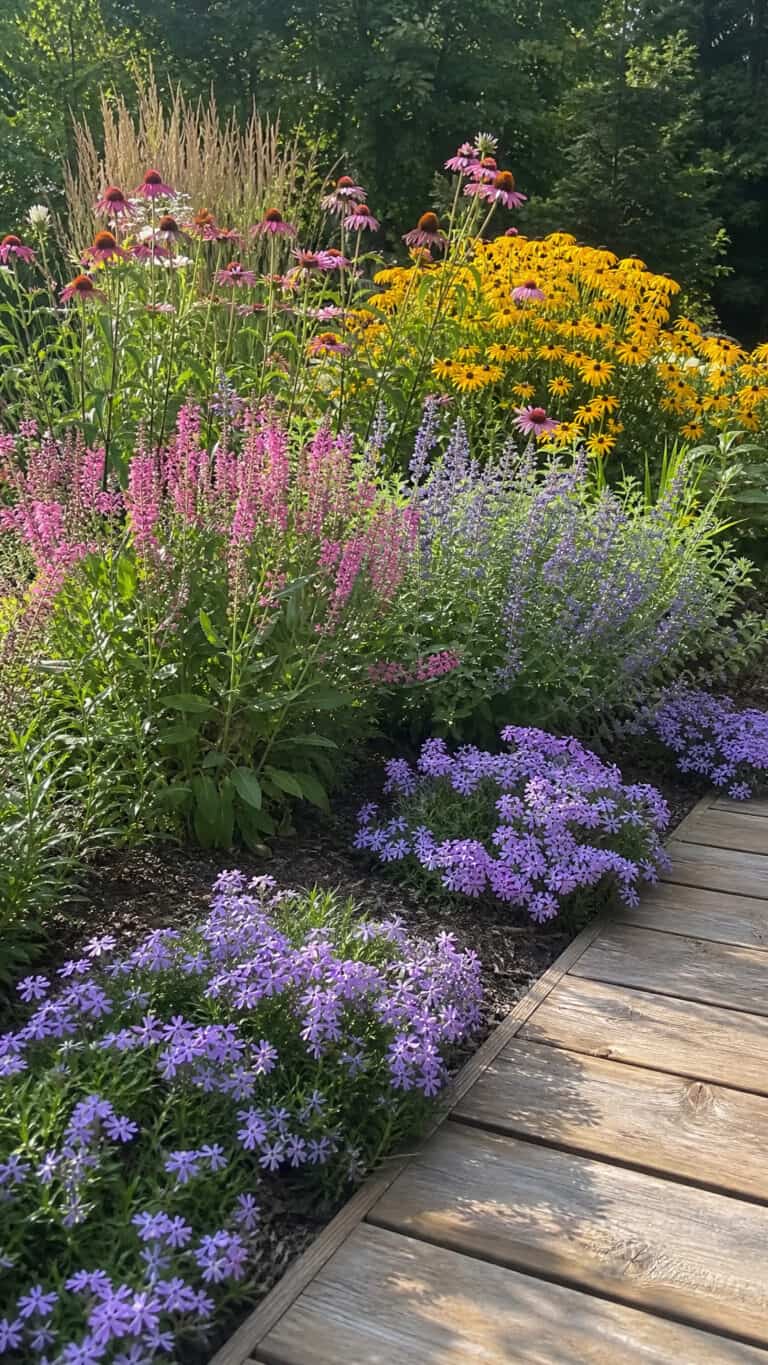
Some of my go-to low-maintenance plants are daylilies, sedum, Russian sage, black-eyed Susans, and ornamental grasses. They’re tough, forgiving, and look beautiful with minimal fussing! I also love using evergreen shrubs as anchors because they provide year-round structure without any work from me.
Even with low-maintenance beds, I still spend about 30 minutes each weekend doing a quick tidy-up, but that’s totally manageable even with my chaotic schedule. And honestly, those 30 minutes outside with my hands in the dirt are therapeutic after a long week of breaking up wrestling matches!
Seasonal Rotation Ideas for Year-Round Interest
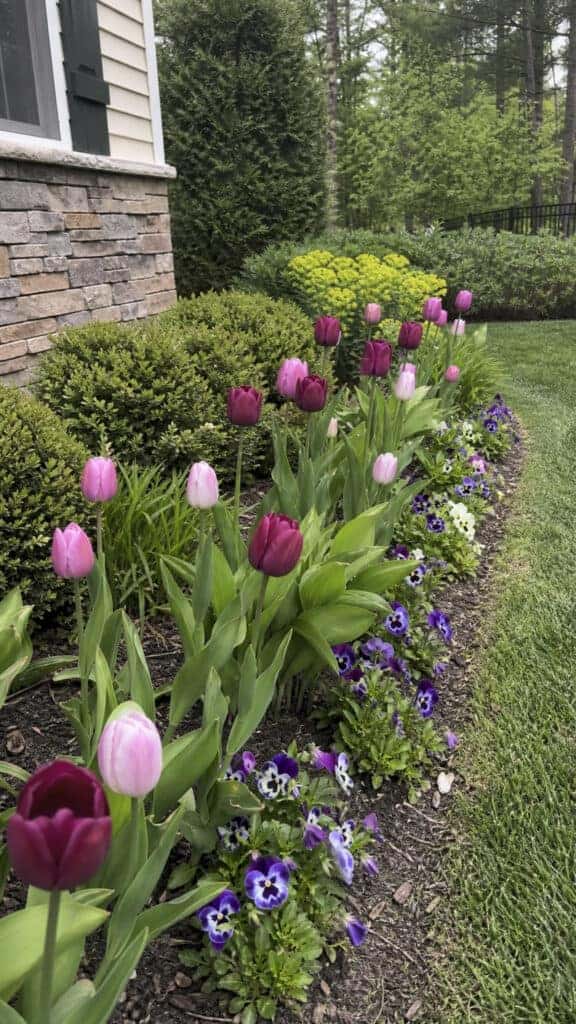
One of the best things about flower beds around house foundations is that you can change them up with the seasons to keep your curb appeal fresh and exciting all year long! I used to think this would be too much work, but I’ve developed a simple system that makes seasonal rotations totally doable.
The trick is having a base of evergreen shrubs and perennials that provide structure year-round, then adding pops of seasonal color with annuals in a few key spots. You don’t need to replant your entire bed—just swap out containers or a few border plants to reflect the season!
Here’s my seasonal rotation strategy:
- Spring: Pansies, violas, and tulips for fresh, cheerful color after winter
- Summer: Heat-loving petunias, zinnias, and marigolds for non-stop blooms
- Fall: Mums, ornamental kale, and asters for rich autumn colors
- Winter: Evergreens, holly berries, and decorative elements for structure
I keep it simple by focusing on just the front-most section of my beds for seasonal changes. The back and middle layers stay consistent with my reliable perennials and shrubs, which means I’m only dealing with a small area when it’s time to refresh things!
My boys get so excited when it’s time to plant new flowers for each season. We make it a family event, and they each get to choose one type of flower for their designated spot in the beds. It’s amazing how much more they care about our landscaping when they’ve had a hand in creating it!
Transform Your Home with Beautiful Flower Beds
Creating stunning flower beds around house foundations doesn’t have to be overwhelming or time-consuming! Whether you start with simple foundation plantings, add dramatic corner beds, or experiment with curved designs and color schemes, every improvement you make adds value and beauty to your home. The key is starting with a plan, choosing plants that fit your lifestyle, and not being afraid to get your hands dirty!
Remember, your flower beds don’t have to be perfect—they just need to make you smile when you pull into your driveway! I’ve learned that even small changes can make a huge impact on curb appeal, and the process of creating beautiful landscaping has become something my whole family enjoys together. So grab your gardening gloves, maybe recruit some little helpers, and get ready to transform your home’s exterior into something absolutely gorgeous!